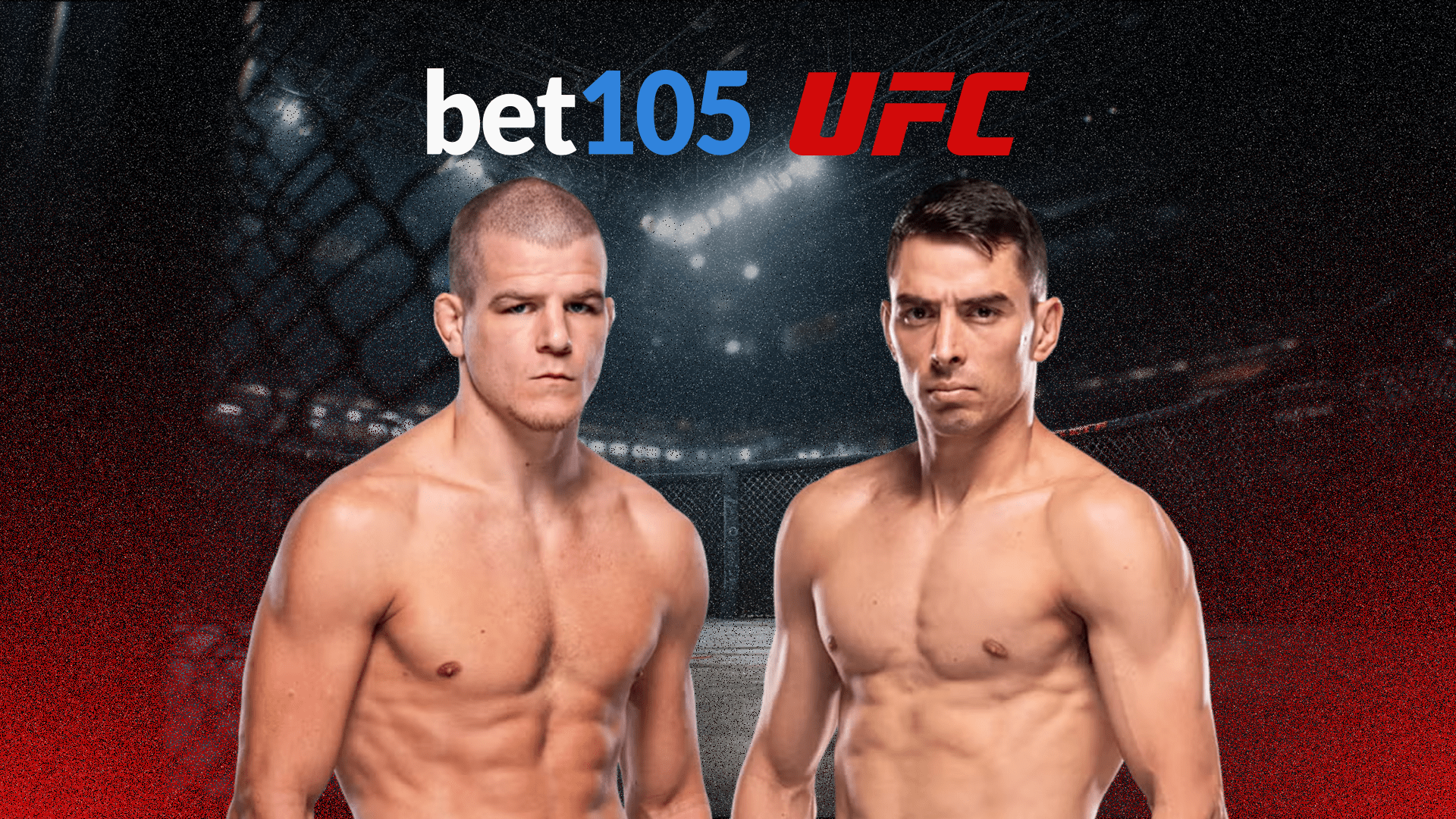
Henry Cejudo vs. Payton Talbott Advanced Fight Analysis – UFC 323 Main Card
UFC 323 Main Card: Henry Cejudo vs Payton Talbott Advanced Fight Analysis Event: UFC 323 Merab Dvalishvili vs Petr
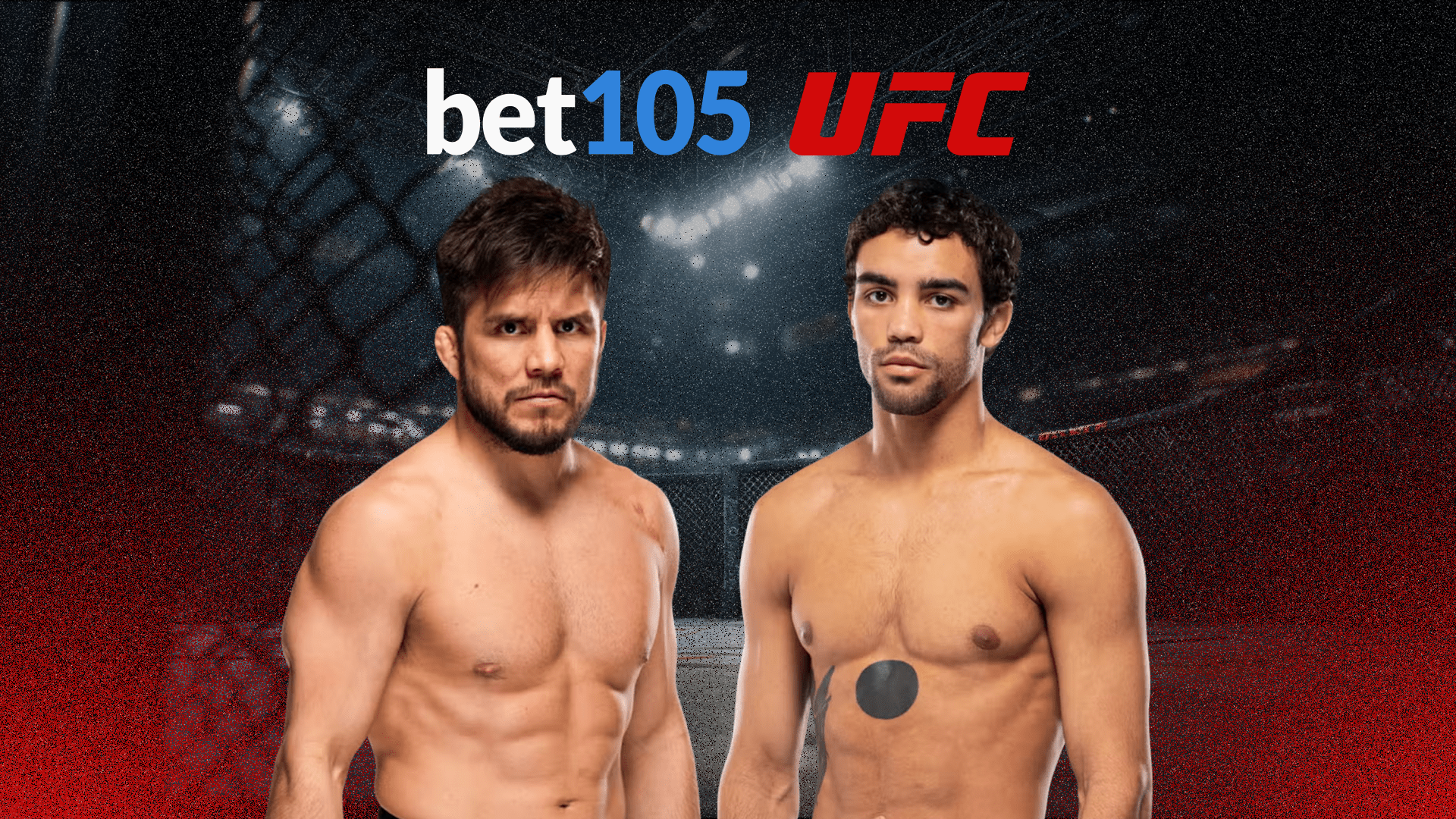
UFC 323 Main Card: Henry Cejudo vs Payton Talbott Advanced Fight Analysis
Event: UFC 323 Merab Dvalishvili vs Petr Yan
Date: December 6, 2025 at 10:00pm ET
Location: T-Mobile Arena, Las Vegas
Division: Bantamweight (135 lbs)
Fighter Comparison
| Fighter | Record | Height | Reach | Stance | KO Wins | Sub Wins | Decision Wins |
|---|---|---|---|---|---|---|---|
| Henry Cejudo | 16-5-0 | 5’4″ | 64″ | Orthodox | 8 | 0 | 8 |
| Payton Talbott | 10-1-0 | 5’10” | 71″ | Switch | 6 | 3 | 1 |
Style and Attribute Profile
Henry Cejudo
Olympic Wrestling     ▓▓▓▓▓▓▓▓▓▓▓▓▓▓▓▓  World-Class
Striking Power        ▓▓▓▓▓▓▓▓▓ 60 percent
Striking Volume       ▓▓▓▓▓ 3.09 SLpM
Striking Defense      ▓▓▓▓▓▓▓▓ 57 percent
Takedown Offense      ▓▓▓▓▓▓▓▓▓▓▓▓  Elite (45 percent accuracy vs elite comp)
Scramble Control      ▓▓▓▓▓▓▓▓▓▓▓▓  High
Cardio                ▓▓▓▓▓▓▓▓▓  Excellent
Durability            ▓▓▓▓▓▓▓▓▓  High
Fight IQ              ▓▓▓▓▓▓▓▓▓▓▓▓▓  Exceptional
Payton Talbott
Striking Power        ▓▓▓▓▓▓▓▓▓▓▓ 75 percent
Striking Volume       ▓▓▓▓▓▓▓▓▓▓▓▓ 5.72 SLpM
Striking Accuracy     ▓▓▓▓▓▓▓▓ 49 percent
Range Management      ▓▓▓▓▓▓▓▓▓▓  Strong
Takedown Defense      ▓▓▓▓▓  55 percent (developing)
Submission Threat     ▓▓▓▓▓▓▓▓  Real danger in transitions
Cardio                ▓▓▓▓▓▓▓▓  High
Durability            ▓▓▓▓▓▓▓▓▓  Proven but untested vs elite wrestlers
Fighter Backgrounds
Henry Cejudo
Henry Cejudo enters this matchup as one of the most credentialed athletes in MMA history: an Olympic gold medalist and former UFC double champion. His game is built around elite wrestling, championship experience, and a deep strategic understanding of positional exchanges. Over the years, Cejudo transitioned from a pure wrestler into a layered, adaptable mixed martial artist. His stance switches, footwork traps, and tight pocket combinations are now hallmarks of his striking game.
Even at an advanced age for bantamweight, Cejudo remains technically sharp, defensively responsible, and extremely difficult to take down or hold down. His offensive wrestling continues to be one of the best weapons in the division, especially when used to disrupt rhythm rather than force prolonged grappling sequences. His chain wrestling, cage mat returns, and ability to control wrists are still elite.
However, the core question is physical decline. Cejudo is no longer the explosive athlete he was when defeating Marlon Moraes, Dominick Cruz, and Demetrious Johnson. His entries are more predictable, his bursts are shorter, and his comfort absorbing damage is lower than it once was. Against longer, younger, high-volume fighters, Cejudo sometimes finds difficulty closing distance consistently. The smaller cage of Apex events once benefited him — but in a large T-Mobile Arena cage, reaching Talbott repeatedly becomes more taxing.
Bettor takeaway: Cejudo’s clearest path to victory revolves around wrestling pressure, pace disruption, and veteran craft to win minutes rather than damage races.
Payton Talbott
Payton Talbott represents the new wave of long, high-output, pressure-oriented bantamweights breaking into the rankings. Talbott is a dynamic switch-hitting striker who thrives in long exchanges, mixing knees, step-in elbows, and long straight punches. His athleticism, confidence, and pace create major problems for slower-footed veterans. Talbott’s striking works best when he forces opponents to react rather than initiate.
Talbott’s frame is one of his biggest assets against Cejudo. With a six-inch height advantage and seven-inch reach advantage, Talbott can operate comfortably behind long kicks, jabs, and intercepting knees. Stylistically, these tools have historically troubled wrestle-boxers who rely on explosive entries. If Talbott can maintain range cleanly, he becomes extremely difficult to corral.
His grappling is opportunistic rather than foundational. Talbott attacks submissions during scrambles, particularly front chokes and back takes, but he does not yet have the structured TDD needed to consistently shut down elite-level wrestlers. His get-ups are athletic but technically loose. Against a fighter like Cejudo, whose positional control is suffocating when secured cleanly, Talbott’s margin for error shrinks significantly.
Still, Talbott’s durability, youth, and cardio give him a major advantage in later rounds. His pace does not fall off, and his length allows him to score consistently even while retreating.
Bettor takeaway: Talbott’s best path is range striking and cumulative damage. His KO upside emerges especially if Cejudo struggles to navigate the reach gap.
Stat Comparison Table
| Metric | Cejudo | Talbott |
|---|---|---|
| Strikes Landed per Min | 3.09 | 5.72 |
| Strikes Absorbed per Min | 2.77 | 3.42 |
| Striking Accuracy | 49 percent | 49 percent |
| Striking Defense | 57 percent | 52 percent |
| Takedown Accuracy | 45 percent | 20 percent |
| Takedown Defense | 90 percent | 55 percent |
| Avg Fight Time | 13 minutes 14 seconds | 10 minutes 37 seconds |
Finish Type Profiles
Henry Cejudo
KO/TKO      ███████████  30 percent
Submission  ░░░░░░░░░░░░  0 percent
Decision    ██████████████████████  70 percent
Payton Talbott
KO/TKO      ████████████████████  60 percent
Submission  ████████  30 percent
Decision    ██  10 percent
Historical Matchup Context
This fight mirrors a common but dangerous archetype: aging legend vs ascending long-range striker. Cejudo has historically excelled against shorter fighters, aggressive wrestlers, and compact strikers who allow him to pressure. Talbott offers the opposite: youth, reach, volume, and unpredictability.
| Opponent Type | Cejudo | Talbott |
|---|---|---|
| Strikers | 10-4 | 7-1 |
| Grapplers | 6-1 | 3-0 |
| High Pace Fighters | 7-3 | 8-1 |
The stylistic tension: Cejudo must close distance cleanly. Talbott must keep the fight long. Whoever dictates geography dictates the fight.
Round Finish Trends
| Round | Cejudo Wins | Talbott Wins |
|---|---|---|
| Round 1 | 6 | 5 |
| Round 2 | 5 | 3 |
| Round 3 or Decision | 5 | 2 |
Both men are live early. Cejudo grows in control as fights progress. Talbott grows in volume as opponents slow.
Betting Trend Analysis and Market Behavior
This fight produced one of the most interesting line movements on the entire UFC 323 card. Early sportsbooks opened Henry Cejudo as a moderate favorite, assuming that his Olympic wrestling pedigree and championship experience would meaningfully neutralize Payton Talbott’s youth and explosiveness. Public bettors, however, immediately gravitated toward Talbott due to the combination of his reach, pace, and highlight-friendly finishing style.
Sharp bettors initially stayed cautious. Cejudo is one of the most historically reliable wrestle-based minute-winners in MMA. His ability to convert even partially successful takedown sequences into extended control time has long been a major advantage in three-round fights. But once early analysis began factoring Cejudo’s age, reduced athletic explosiveness, and difficulty closing distance against fighters with substantial reach advantages, sharper money began shifting toward Talbott.
The final market equilibrium reflects a nuanced perspective: Cejudo has the higher floor, but Talbott has the higher ceiling. If Cejudo cannot repeatedly initiate wrestling exchanges or consistently collapse the pocket, Talbott’s volume and physicality begin to pull the fight away from him.
Prop Market Breakdown
The prop market mirrors the stark contrast in their paths to victory. Cejudo wins by control and precision — Talbott wins by violence and momentum. Few matchups produce such a divided prop landscape.
| Prop | Odds | Implied % | Projected % | Value |
|---|---|---|---|---|
| Cejudo Decision | +200 | 33 percent | 41 percent | Positive |
| Cejudo KO/TKO | +550 | 15 percent | 11 percent | Negative |
| Talbott KO/TKO | +160 | 38 percent | 45 percent | Positive |
| Talbott Inside Distance | +140 | 42 percent | 48 percent | Positive |
| Fight Goes Distance | +110 | 47 percent | 38 percent | Negative |
| Inside Distance | -135 | 57 percent | 62 percent | Positive |
Cejudo’s most stable outcome is decision — Talbott’s is KO/TKO. The odds match the structural flow of the matchup cleanly.
Live Betting Angles
This is one of the most live-bet-friendly fights on the entire UFC 323 main card. The dynamics of distance, pace, and wrestling success become obvious early. Bettors can accurately read the momentum of the matchup within 60 to 90 seconds.
Scenario 1: Talbott maintains long range
If Talbott is able to keep Cejudo outside the pocket and punish entries with jabs, teeps, and long crosses, the live line will swing rapidly in his favor. Signs of a Talbott takeover include:
- Cejudo failing to close distance without absorbing clean strikes.
- Talbott landing intercepting knees during level changes.
- Cejudo switching stances more frequently out of necessity.
If Cejudo cannot get inside safely by minute three, Talbott’s KO or live moneyline becomes increasingly attractive.
Scenario 2: Cejudo begins timing entries
If Cejudo successfully penetrates range and forces forced resets on Talbott, his win probability spikes. Even partially successful takedowns are meaningful here because they create cumulative fatigue and defensive panic in longer fighters.
Live bettors should look for:
- Cejudo keeping Talbott’s back near the fence.
- Chain wrestling sequences where Cejudo transitions from single to body lock to trip.
- Talbott accepting positions instead of scrambling explosively.
Scenario 3: Prolonged pocket exchanges
Oddly enough, this favors Talbott. While Cejudo is technically strong, Talbott’s youth and length create major problems for him in sustained combinations. If Cejudo is having to stand and trade without securing takedowns, Talbott’s attritional damage begins stacking in meaningful ways.
Signals include:
- Talbott landing consistently to body and legs.
- Cejudo relying on looping shots instead of structured combinations.
- Cejudo showing defensive hesitation after being hit clean.
Market Heat Map
| Market | Value Rating | Explanation |
|---|---|---|
| Talbott KO/TKO | High | Clear reach advantage and cumulative damage potential |
| Cejudo Decision | High | Most reliable path based on wrestling control and fight IQ |
| Inside Distance | Medium High | Both have finishing tools; attrition favors younger fighter |
| Talbott Round 3 | Medium | Cejudo slows against longer, younger opponents |
10,000 Fight Simulation Projection
The simulation paints a competitive but directionally clear fight. Cejudo wins when he forces wrestling, slows exchanges, and keeps volume down. Talbott wins when he creates long-range striking phases, denies clean takedown entries, and punishes Cejudo’s aging reflexes.
| Outcome | Probability |
|---|---|
| Talbott Wins | 58 percent |
| Cejudo Wins | 42 percent |
| Inside Distance | 65 percent |
| Decision | 35 percent |
Interpretation: Youth, reach, and pace are statistically favored — but Cejudo’s elite wrestling keeps him firmly in the fight.
Risk Matrix
| Risk Factor | Cejudo | Talbott |
|---|---|---|
| Defensive Holes | Medium Low | Medium |
| Finish Vulnerability | Medium | Medium Low |
| Cardio Fade Risk | Low | Medium Low |
| Grappling Exposure | Low | High |
Talbott has more momentum and physical tools — Cejudo has more experience and strategic nuance.
Final Prediction
The matchup between Henry Cejudo and Payton Talbott is one of the most compelling youth vs experience clashes on the entire UFC 323 main card. The dynamics are extremely clear: Talbott holds significant advantages in reach, size, youth, and volume, while Cejudo holds the edge in wrestling, positional control, and elite-level fight IQ. What makes this fight particularly intriguing is how each fighter’s strength directly targets the other’s weakness. Talbott wants space; Cejudo wants to remove it. Talbott wants length; Cejudo wants chest-to-chest ties. Talbott wants chaos; Cejudo wants systems.
Talbott is the more dangerous finisher. His long-range striking threatens Cejudo in ways few opponents ever have. The seven-inch reach advantage is not just a number — it fundamentally alters the geography of the fight. Talbott can score without being in Cejudo’s wrestling range, and his intercepting weapons (knees, long uppercuts, step-in elbows) are tailor-made to punish aging wrestlers whose entries have slowed. Every minute this fight stays at distance favors Talbott, and the cumulative effect of his pace becomes a major factor as the fight progresses.
Cejudo will need to rely on timing, level changes built off feints, and cage-cutting footwork to consistently enter Talbott’s range. When he does get in, Cejudo’s positional sophistication shines. His ability to convert a single collar tie into a body lock, or a failed single leg into a mat return, remains among the best in the division. Talbott’s defensive wrestling, while improving, is not yet polished enough to completely shut down a fighter of Cejudo’s caliber. However, Talbott’s length creates scrambles that will force Cejudo to work far harder than usual.
The deeper the fight goes, the less reliable Cejudo becomes. His athletic decline is subtle but present. He no longer accelerates into exchanges with the same burst, and grinding through large-framed bantamweights takes its toll. Talbott, by contrast, is built for late-round ascension. His cardio, output, and physicality allow him to maintain a punishing pace, and his ability to absorb damage and respond with offense makes him dangerous even while pressured.
There is also a durability and momentum factor to consider. Talbott is exceptionally resilient, both physically and mentally. He thrives in firefights and welcomes scrambles even when they appear disadvantageous momentarily. Cejudo thrives in control — but control requires consistent entries, and Talbott’s striking tools disrupt those entries at every step. The longer Cejudo is forced into range exchanges without securing takedowns, the more Talbott begins to separate the scorecards.
Simulation modeling strongly favors Talbott due to volume, reach, and youth. Even in fights where Cejudo secures early takedowns, Talbott’s ability to scramble, reset range, and force Cejudo to repeat the exhausting entry process shifts later rounds in his direction. That said, Cejudo remains extremely live in rounds one and two. He has the skill and strategic proficiency to win minutes through wrestling control, and if Talbott gives his back during a scramble, Cejudo can steal rounds with positional dominance.
Ultimately, Talbott’s long-range superiority and ability to accumulate damage at a far higher clip give him the cleaner and more sustainable path to victory. Cejudo will have strong moments, particularly early, but Talbott’s youth-driven durability and pace will begin creating visible separation by the midpoint of the fight. As Cejudo slows and his entries become more telegraphed, Talbott’s combinations begin landing with increasing frequency and force.
Prediction: Payton Talbott defeats Henry Cejudo by KO/TKO
Method Confidence: 65 percent
Overall Confidence: 60 percent
For the best odds on UFC fights like Cejudo vs Talbott, visit bet105, the top sportsbook with reduced juice, fast crypto payouts, and sharp friendly limits.
Bettor Summary
- Cejudo path: Takedowns, chain wrestling, clinch control, positional dominance, and turning this into a slow-paced, technical grind.
- Talbott path: Long-range striking, intercepting damage, cumulative volume, and wearing down an aging opponent over time.
- Most valuable props: Talbott KO (+160), Inside Distance (-135), Cejudo Decision (+200).
- Live angle: If Cejudo cannot consistently close distance by minute three, Talbott’s live KO and moneyline values spike sharply.
Disclaimer
This analysis uses AI assisted statistical research alongside human analysis and editorial oversight. Despite verification efforts, data errors may occur. Readers should independently verify odds, fighter stats, and records before betting. Projections are analytical estimates, not guarantees.