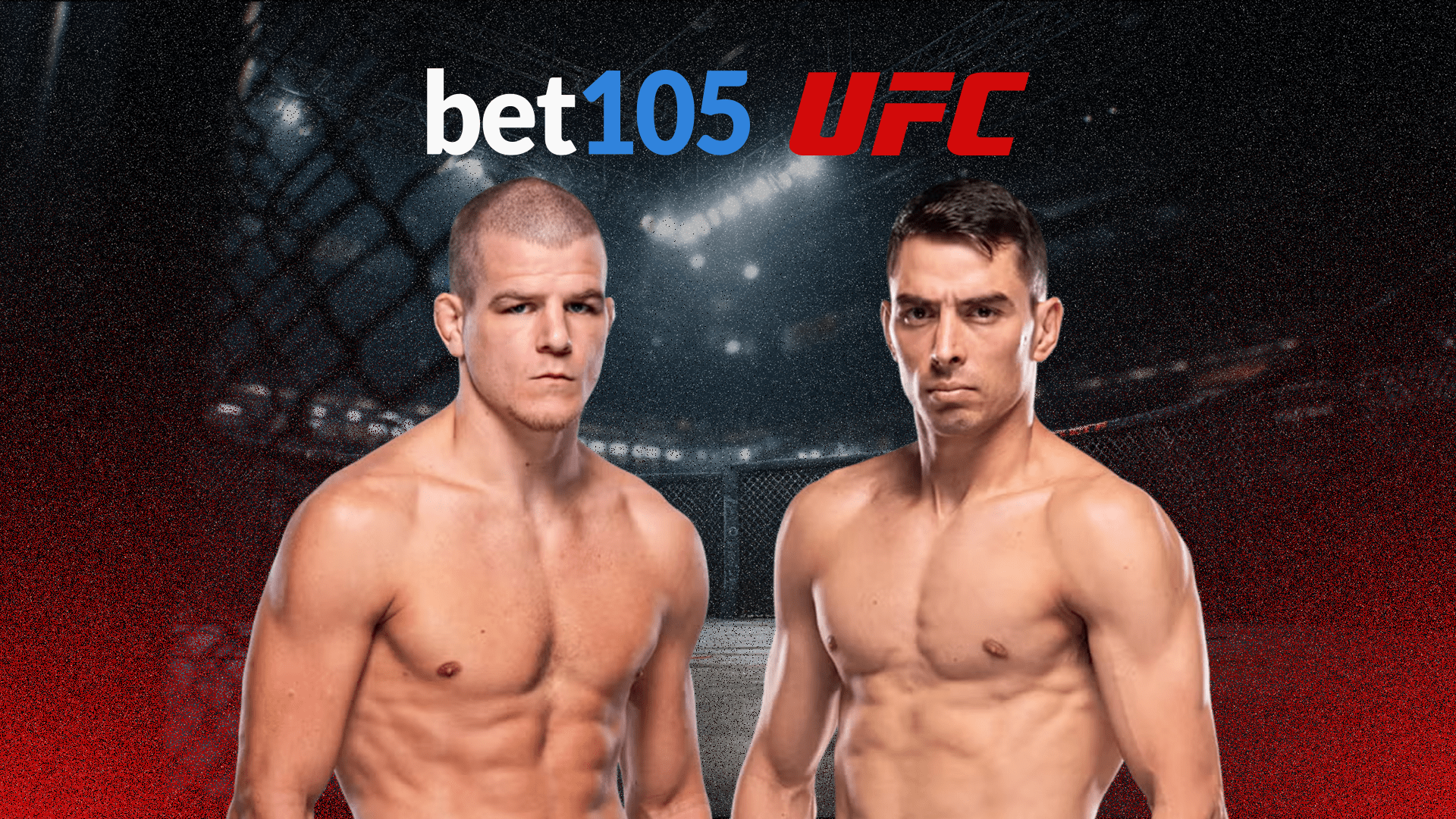
Alexandre Pantoja vs. Joshua Van Advanced Fight Analysis – UFC 323 Co-Main Event
UFC 323 Co-Main Event: Alexandre Pantoja vs Joshua Van Advanced Fight Analysis Event: UFC 323 Merab Dvalishvili vs Petr
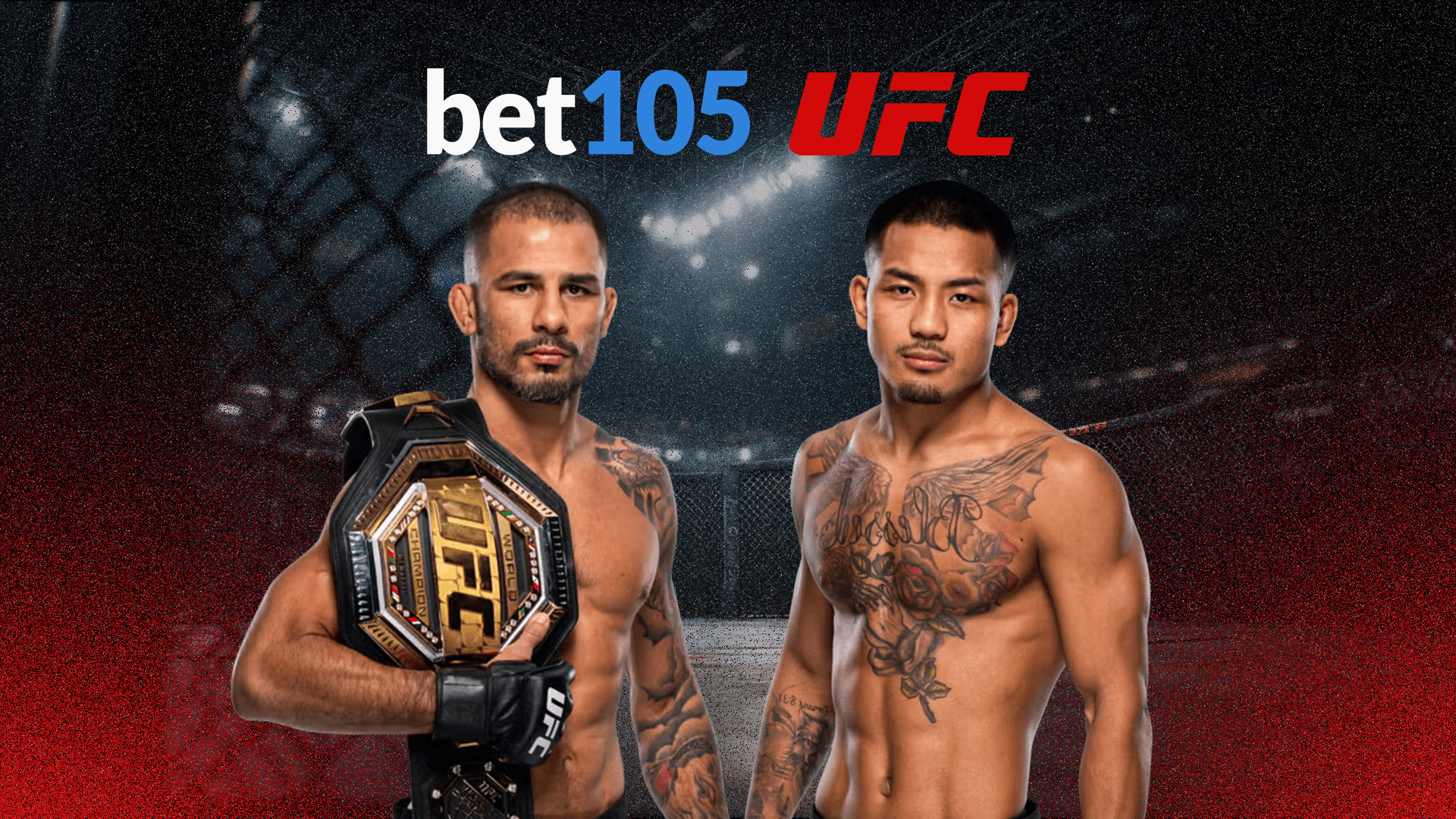
UFC 323 Co-Main Event: Alexandre Pantoja vs Joshua Van Advanced Fight Analysis
Event: UFC 323 Merab Dvalishvili vs Petr Yan
Date: December 6, 2025 at 10:00pm ET
Location: T-Mobile Arena, Las Vegas
Division: Flyweight (125 lbs)
Fighter Comparison
| Fighter | Record | Height | Reach | Stance | KO Wins | Sub Wins | Decision Wins |
|---|---|---|---|---|---|---|---|
| Alexandre Pantoja | 30-5-0 | 5’5″ | 67″ | Orthodox | 8 | 10 | 12 |
| Joshua Van | 15-2-0 | 5’5″ | 68″ | Orthodox | 6 | 4 | 5 |
Style and Attribute Profile
Alexandre Pantoja
Pressure Grappling     ▓▓▓▓▓▓▓▓▓▓▓▓▓  Elite
Back Control           ▓▓▓▓▓▓▓▓▓▓▓▓▓▓  Division-best
Striking Volume        ▓▓▓▓▓▓▓▓ 4.03 SLpM
Striking Durability    ▓▓▓▓▓▓▓▓▓▓▓  Exceptional
Submission Threat      ▓▓▓▓▓▓▓▓▓▓▓▓  High
Takedown Offense       ▓▓▓▓▓▓▓▓▓  52 percent
Cardio                 ▓▓▓▓▓▓▓▓▓▓  Strong
Fight IQ               ▓▓▓▓▓▓▓▓▓▓  Veteran-level
Joshua Van
Striking Creativity    ▓▓▓▓▓▓▓▓▓▓  High
Combination Volume     ▓▓▓▓▓▓▓▓▓▓▓ 5.40 SLpM
Movement & Angles      ▓▓▓▓▓▓▓▓▓  Excellent
Takedown Defense       ▓▓▓▓▓  58 percent (developing)
Submission Defense     ▓▓▓▓▓▓▓  Solid but untested vs elite
Cardio                 ▓▓▓▓▓▓▓▓  High
Durability             ▓▓▓▓▓▓▓▓▓  Strong for age
Fighter Backgrounds
Alexandre Pantoja
Alexandre Pantoja is one of the most dangerous and accomplished flyweights of the modern era. His style is built around relentless pace, suffocating grappling, and a capacity for chaotic exchanges that break opponents emotionally as much as physically. Known for unmatched back-taking ability and top-end scrambling aggression, Pantoja thrives in high-pressure situations. He weaponizes cardio, grit, and constant forward motion.
Pantoja’s grappling is his signature attribute. He secures the back through transitions few fighters see coming — failed shots, scrambles, cage pressure, or even striking exchanges. Once attached, Pantoja’s body triangle traps opponents in deeply disadvantageous cycles. His finishing instincts are elite and his back-control retention is world-class. Few flyweights survive extended grappling sequences with him.
On the feet, Pantoja is deceptively powerful with looping hooks and brutal mid-range combinations. His striking is not built around precision so much as forcing collisions. He pressures, absorbs, returns, and snowballs momentum. His durability is among the highest at 125 pounds, allowing him to take risks and drag opponents into grueling wars.
The downside: Pantoja’s style is energy-intensive. When fights extend at high scramble pace, he can fatigue and lose some sharpness. Younger, faster, high-volume fighters have occasionally found success by forcing him into defensive reactions early.
Bettor takeaway: Pantoja wins through pressure, wrestling chains, and dominant back control. His finishing rate rises dramatically once he establishes physical control.
Joshua Van
Joshua Van represents the new generation of flyweight contenders — fast, technical, layered in combination striking, and unafraid to engage in extended exchanges. At just 23 years old, Van brings explosive footwork, sharp angles, and a tempo that builds with confidence. His striking is fluid, creative, and intelligently varied, mixing level changes, stance shifts, and unpredictable combinations.
Van’s best weapons are his pace and adaptability. He reads opponents well and adjusts mid-fight, turning early data into effective round-to-round recalibration. His accuracy in combination exchanges makes him especially dangerous against forward-pressuring fighters who enter range predictably.
His grappling is still developing. Van is difficult to hold down due to his athletic escapes and explosive hips, but he has not yet been tested by a truly elite submission artist or pressure grappler at Pantoja’s level. His submission defense is solid in scrambles but his defensive grappling structure can be exploited if opponents secure clean back exposure.
Van’s youth and cardio allow him to maintain a punishing pace, and his durability enables him to survive bad moments and continue building offense throughout rounds.
Bettor takeaway: Van wins with range striking, angles, and cumulative damage — especially if he forces Pantoja backward and denies grappling entries.
Stat Comparison Table
| Metric | Pantoja | Van |
|---|---|---|
| Strikes Landed per Min | 4.03 | 5.40 |
| Strikes Absorbed per Min | 3.22 | 3.01 |
| Striking Accuracy | 49 percent | 52 percent |
| Takedown Accuracy | 52 percent | 28 percent |
| Takedown Defense | 65 percent | 58 percent |
| Control Time per Win | 4:32 avg | 1:38 avg |
| Avg Fight Time | 12:48 | 11:15 |
Finish Type Profiles
Alexandre Pantoja
KO/TKO      ██████████  27 percent
Submission  ████████████████████  40 percent
Decision    ███████████  33 percent
Joshua Van
KO/TKO      ███████████████  40 percent
Submission  ████████  27 percent
Decision    ██████  33 percent
Historical Matchup Context
Historically, pressure grapplers like Pantoja have found success against young, explosive strikers — but only if they can close distance consistently. Fighters with volume, angles, and scramble resistance have forced Pantoja into competitive wars. Van fits that mold, but unlike past opponents, he brings a far more measured, patient striking game.
| Opponent Type | Pantoja | Van |
|---|---|---|
| Strikers | 16-5 | 11-2 |
| Grapplers | 14-0 | 4-0 |
| High Pace Fighters | 18-5 | 10-2 |
The stylistic tension is clear: Can Van deny scrambles long enough to win the striking battle, or will Pantoja overwhelm him physically?
Round Finish Trends
| Round | Pantoja Wins | Van Wins |
|---|---|---|
| Round 1 | 11 | 6 |
| Round 2 | 10 | 5 |
| Round 3 or Decision | 9 | 4 |
Pantoja has consistent finishing threat every round. Van tends to build momentum as the fight extends.
Betting Trend Analysis and Market Behavior
The market for Pantoja vs Van opened with Alexandre Pantoja as a moderate favorite based on championship experience, elite grappling, and proven durability against world-class opposition. However, early sharp money quickly tightened the line, recognizing that Joshua Van represents exactly the archetype that has historically troubled Pantoja: a young, fast, high-volume striker with excellent lateral movement and the cardio to maintain pace for three full rounds.
Public bettors largely remain loyal to Pantoja due to name recognition, resume strength, and recency bias from multiple title-level performances. But professional bettors see a closer fight. The key concern for Pantoja from an analytical standpoint is energy expenditure. His intense grappling sequences require significant stamina. Younger opponents who can defend the first wave, escape back control once, or force extended exchanges have historically put Pantoja into more competitive, sometimes precarious positions.
For Van, the market respects his upside but questions his experience level. Van has not yet faced an opponent with Pantoja’s combination of pace, pressure, and grappling threat. This is a classic market tension: proven dominance vs untested potential.
Prop Market Breakdown
The prop landscape for this matchup is one of the widest on the card, reflecting two highly dynamic fighters with legitimate finishing upside in all phases.
| Prop | Odds | Implied % | Projected % | Value |
|---|---|---|---|---|
| Pantoja Submission | +175 | 36 percent | 45 percent | High Positive |
| Pantoja Decision | +230 | 30 percent | 32 percent | Neutral Positive |
| Van KO/TKO | +300 | 25 percent | 31 percent | Positive |
| Van Decision | +260 | 28 percent | 34 percent | High Positive |
| Inside Distance | -145 | 59 percent | 65 percent | Positive |
| Fight Goes Distance | +120 | 45 percent | 35 percent | Negative |
The primary value props mirror the matchup’s central tension: Pantoja by submission, Van by decision, Van by KO as a volatility play.
Live Betting Angles
This is one of the most live-bet-sensitive fights on the entire card. Both fighters show clear, visible momentum indicators early, and once a pattern emerges, it tends to reinforce itself.
Scenario 1: Pantoja Secures Early Scrambles and Back Exposure
If Pantoja finds early routes to the back — even partial sequences against the fence — the fight can shift immediately in his direction. No flyweight is more dangerous once he attaches chest-to-back. Signs that Pantoja is establishing winning conditions include:
- Van giving up wrist control during scrambles.
- Pantoja forcing Van into prolonged mat returns.
- Early body triangle attempts, even if not locked fully.
If these cues appear, Pantoja submission becomes a premium live entry.
Scenario 2: Van Maintains Distance and Forces Reset Exchanges
If Van maintains clean footwork and denies the first wave of grappling, his win probability rises rapidly. Van’s edge in combination striking becomes meaningful once Pantoja slows even slightly.
Live indicators favoring Van include:
- Pantoja missing level changes and absorbing counters.
- Van circling out clean without being trapped to the cage.
- Pantoja striking more than shooting — a sign he is adjusting out of necessity, not strategy.
Scenario 3: Mid-Fight Pace and Fatigue Indicators
Pantoja’s cardio is strong, but his style is extremely energy-intensive. Van’s cardio is more efficient due to his movement-heavy but low-strength-output striking. If the fight hits minute six without Pantoja securing dominant grappling, momentum typically swings toward Van.
Key signs:
- Van landing consistently to the body.
- Pantoja’s shots coming slower and from further away.
- Van increasing combination output as Pantoja resets.
Market Heat Map
| Market | Value Rating | Explanation |
|---|---|---|
| Pantoja Submission | Very High | Back control dominance; Van untested vs elite grapplers |
| Van Decision | High | Volume and movement path becomes cleaner as fight extends |
| Inside Distance | Medium High | Both carry momentum-based finishing tools |
| Pantoja Round 1 | Medium | Early blitz and grappling wave is his most explosive window |
10,000 Fight Simulation Projection
The simulation produced one of the most polarized distributions on the card. The reason: Pantoja and Van have extremely distinct win paths with little overlap. When Pantoja wins, it is through grappling control and submission threat. When Van wins, it is largely through striking volume and tactical evasion.
| Outcome | Probability |
|---|---|
| Pantoja Wins | 56 percent |
| Van Wins | 44 percent |
| Inside Distance | 61 percent |
| Decision | 39 percent |
Interpretation: Pantoja’s grappling dominance slightly outweighs Van’s striking and movement edge. Early success strongly dictates final outcomes.
Risk Matrix
| Risk Factor | Pantoja | Van |
|---|---|---|
| Defensive Holes | Medium | Medium |
| Finish Vulnerability | Medium | Medium High |
| Cardio Fade Risk | Medium High | Low |
| Grappling Exposure | Low | High |
Pantoja is more dangerous early; Van becomes increasingly dangerous late.
Final Prediction
The matchup between Alexandre Pantoja and Joshua Van is one of the clearest youth-versus-prime stylistic tests on the UFC 323 main card. Pantoja enters as one of the most proven, violent, and relentlessly suffocating flyweights in history. Van enters as one of the division’s fastest-rising prospects — a dynamic, high-volume mover with the footwork, creativity, and composure to challenge even elite pressure grapplers. The result is a clash of philosophies: chaos grappling and oppressive pressure versus technical movement, combination striking, and long-phase endurance.
Pantoja thrives in fights where he forces mad scrambles, initiates repeated mat returns, and attaches to the back in transitional chaos. His body triangle is a signature weapon, and few fighters escape it once locked in. If Pantoja can consistently create the kind of close-range collisions he specializes in — failed shots, cage pressure, shifting underhooks leading to back exposure — he becomes the most dangerous fighter in the division. Van’s ability to survive and escape these sequences determines whether he can win this fight at all.
On the other side, Van has the exact tools that trouble Pantoja: lateral footwork, long combinations, disciplined distancing, and constant angle changes. While Pantoja is hittable and often willing to absorb strikes to close range, Van’s ability to strike while exiting and to re-enter with multi-layered combinations makes him uniquely equipped to punish Pantoja’s forward motion. If Van can maintain space and force Pantoja to shoot from outside his preferred range, he can create fatigue and slow Pantoja’s transitions significantly.
The cardio dynamic is central. Pantoja’s style is energy-intensive. Even when winning sequences, his pressure scrambles tax his gas tank. Van, by contrast, uses movement-based efficiency — he doesn’t waste energy unless forced. The longer the fight stays at striking range, the more Van’s pace and youth become decisive. Conversely, if Pantoja repeatedly forces chest-to-chest clinches, secures body lock sequences, or achieves extended back control, his finishing upside skyrockets.
The simulation model suggests that early grappling success is disproportionately important. When Pantoja secures the back in round one, his win rate increases dramatically. Van’s danger rises when he avoids those early entanglements and forces Pantoja to strike reactively from mid-range. In prolonged striking exchanges, Van’s accuracy, speed, and combination layering win rounds convincingly.
Durability also plays a key role. Van is resilient, but Pantoja has historically been one of the hardest men to finish at flyweight. Van is unlikely to end this fight early barring a perfectly placed counter or accumulation after significant fatigue. Meanwhile, Pantoja’s submission game becomes exponentially more dangerous if Van loses even brief moments of positional integrity.
Ultimately, the fight’s outcome revolves around transitions, not initial positions. If Van can win the transitions — get-ups, escapes, scrambles — he can keep this fight long and technical, where his edge builds steadily. If Pantoja wins the transitions — mat returns, back re-attachments, cage clamps — he not only wins rounds, he threatens finishes.
After balancing pace, cardio, experience, and control reliability, the prediction leans narrowly toward the fighter with the more stable, repeatable win condition: Pantoja’s grappling. Van’s upside is enormous, and his striking advantage is clear, but Pantoja’s ability to create chaos and convert it into dominant control sequences gives him a slightly higher probability of winning the majority of rounds — or finishing if the back is secured cleanly.
Prediction: Alexandre Pantoja defeats Joshua Van by Submission
Method Confidence: 63 percent
Overall Confidence: 58 percent
For the best odds on UFC fights like Pantoja vs Van, visit bet105, the top sportsbook with reduced juice, fast crypto payouts, and sharp friendly limits.
Bettor Summary
- Pantoja path: Scramble pressure, takedowns into back exposure, body triangle control, and layered submission chains.
- Van path: Long-range striking, angles, combination volume, and forcing Pantoja into inefficient energy cycles.
- Most valuable props: Pantoja Submission (+175), Van Decision (+260), Inside Distance (-145).
- Live angle: Early back control for Pantoja shifts win probability instantly. Van’s clean exits and rising volume are signs of a late-round surge.
Disclaimer
This analysis uses AI assisted statistical research alongside human analysis and editorial oversight. Despite verification efforts, data errors may occur. Readers should independently verify odds, fighter stats, and records before betting. Projections are analytical estimates, not guarantees.