Sean Sharaf vs. Steven Asplund Advanced Fight Analysis – UFC on ESPN 73: Royval vs. Kape Prelims
UFC on ESPN 73 Prelims: Sean Sharaf vs Steven Asplund Advanced Fight Analysis Event: UFC on ESPN 73: Royval
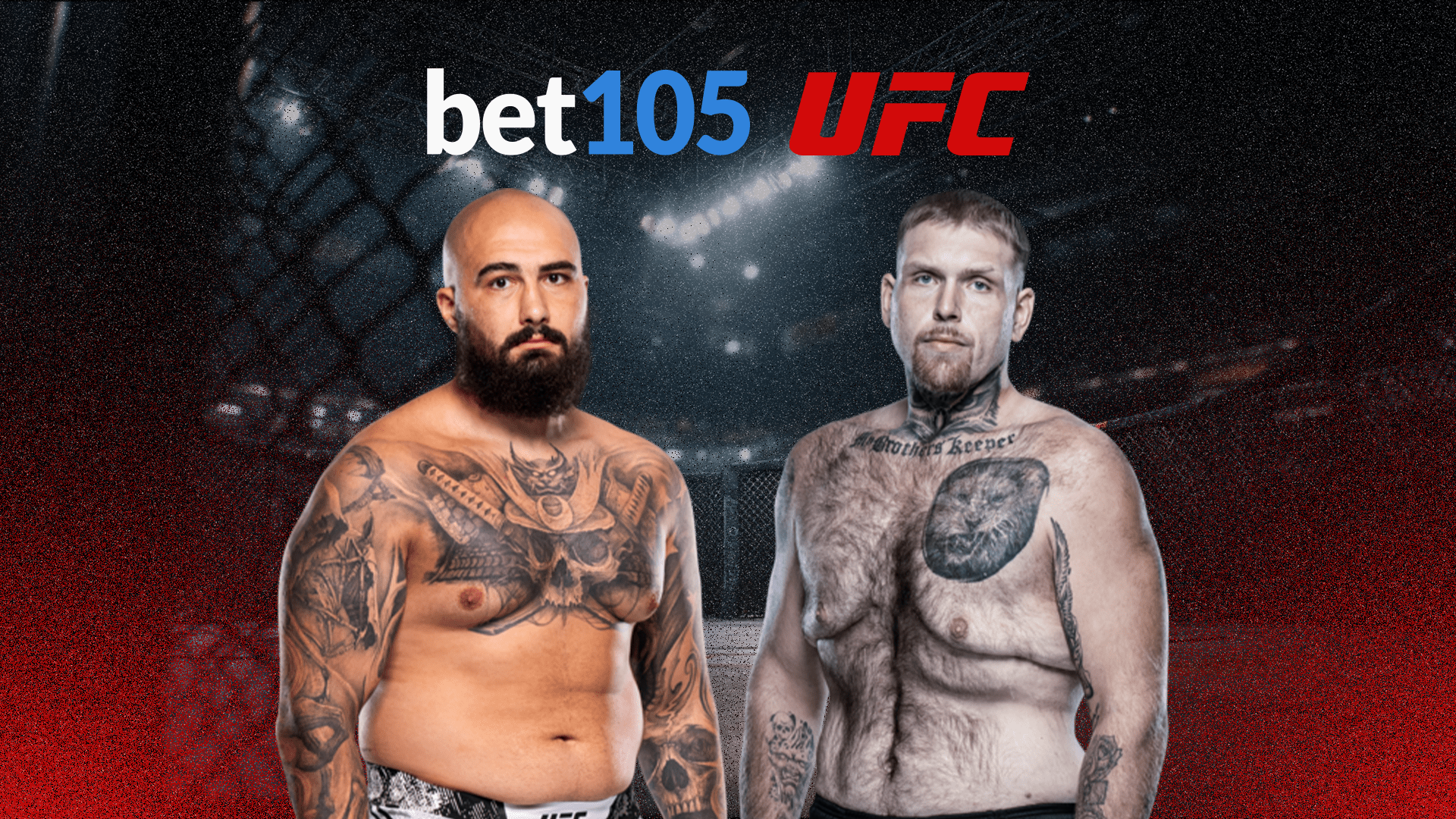
UFC on ESPN 73 Prelims: Sean Sharaf vs Steven Asplund Advanced Fight Analysis
Event: UFC on ESPN 73: Royval vs Kape
Date: December 13, 2025 at 7:00pm ET (Prelims)
Location: UFC Apex, Las Vegas
Division: Lightweight (155 lbs)
Fighter Comparison
| Fighter | Record | Age | Height | Reach | Stance | KO Wins | Sub Wins | Decision Wins |
|---|---|---|---|---|---|---|---|---|
| Sean Sharaf | 4 1 | 28 | 5’10” | 72″ | Orthodox | 2 | 1 | 1 |
| Steven Asplund | 6 1 | 29 | 5’11” | 73″ | Southpaw | 3 | 2 | 1 |
Note: Both fighters enter with limited or no UFC sample. Metrics are modeled off regional footage and pace indicators.
Attribute Visuals
Sean Sharaf
Boxing Fundamentals     ████████████░░░░  ⭐⭐⭐⭐☆
Straight Line Speed     ███████████░░░░░  ⭐⭐⭐⭐☆
Counter Timing          ██████████░░░░░░  🔥🔥
Takedown Defense        █████████░░░░░░░  ⭐⭐⭐☆
Offensive Wrestling     ███████░░░░░░░░░  ⭐⭐☆☆☆
Scramble Ability        █████████░░░░░░░  ⭐⭐⭐☆
Cardio Pace             ███████████░░░░░  ⭐⭐⭐⭐☆
Durability              ███████████░░░░░  ⭐⭐⭐⭐☆
Steven Asplund
Southpaw Kick Game      █████████████░░░  ⭐⭐⭐⭐⭐
Power Shot Threat       ████████████░░░░  🔥🔥🔥
Clinching Pressure      ███████████░░░░░  ⭐⭐⭐⭐☆
Offensive Grappling     ██████████░░░░░░  ⭐⭐⭐⭐
Submission Chains       █████████░░░░░░░  🔥🔥
Defensive Awareness     ████████░░░░░░░░  ⭐⭐⭐☆
Cardio Projection       ███████████░░░░░  ⭐⭐⭐⭐☆
Key Stylistic Edges
━━━━━━━━━━━━━━━━━━━━━━━━
Height and Reach     → Small edge Asplund
Pure Boxing          → Edge Sharaf
Kick Variety         → Clear edge Asplund 🔥
Offensive Grappling  → Edge Asplund
Scramble Stability   → Slight edge Sharaf
One Shot Power       → Comparable, lean Asplund
Fighter Backgrounds
Sean Sharaf
Sean Sharaf enters this matchup as the cleaner, more traditional striker who prefers a measured, jab heavy approach over wild exchanges. His game is rooted in boxing fundamentals. He keeps his guard high, steps behind his jab and uses his rear hand as a straight, efficient weapon rather than looping unnecessarily. On regional footage, Sharaf shows strong discipline about staying behind his lead hand and rarely swings himself out of position. That attention to balance and stance integrity matters a lot when facing a southpaw kicker like Asplund.
Sharaf is most dangerous when he can dictate the center and pick his shots. He will often build rounds by touching opponents with straight punches and then gradually increasing power once he has timing reads. Offensively he is not a pure blitz finisher, but his counters are sharp. When pressured, Sharaf will slip or parry and fire back down the middle. Several of his stoppages have come from exchanges where opponents overcommitted on wide hooks and ran into his straights.
Wrestling for Sharaf exists as a secondary layer, not a primary focus. He can hit reactive doubles and occasional body lock trips, but he rarely builds his game plan around top control. Instead, he uses the threat of level changes to keep opponents honest when they attempt to pressure recklessly. In grappling sequences, Sharaf has solid balance, good hip positioning and enough scrambling awareness to avoid being dominated on the mat, though he is not usually the one initiating extended grappling sequences.
Defensively, Sharaf’s biggest questions are not about heart or durability, but about how his style holds up against southpaw kickers. His stance is slightly heavy on the lead leg to power his jab. That can invite low kicks and body kicks from a lefty who understands angle manipulation. He has shown awareness checking kicks on tape, but he has not yet faced someone with Asplund’s layered kick game. If his leg is compromised early, much of his boxing centric approach becomes harder to implement.
Bettor Takeaway: Sharaf wins when he keeps the fight in boxing range, controls distance with the jab and punishes Asplund for overcommitting with straight counters. His path is more decision oriented with opportunistic finishing upside when Asplund walks into straight shots.
Steven Asplund
Steven Asplund shows up as a southpaw finisher with a broad, modern skill set built around kicks, forward pressure and an aggressive grappling layer. His striking is based on a kick first hierarchy. He uses the rear body kick as a primary range finder, attacking the open side of orthodox opponents early and often. From there, he will mix in low kicks, front kicks and high kicks to keep reactions split. That layered approach forces opponents to defend with both arms and legs, which then opens clean lanes for his straight left and right hook follow ups.
Asplund is not simply a flashy kicker. His pressure is intentional. He understands how to guide opponents toward the fence using half steps and feints, then switches between kicks and straight punches as they run out of space. When he corners opponents successfully, he tends to increase volume sharply, chaining three and four strike combinations that end with either a kick or a level change into the clinch. That connection between striking pressure and grappling entries is where his game is at its most effective.
In the grappling realm, Asplund has a fluid submission game. He works well from front headlock positions, attacking guillotines and anaconda variations, and is comfortable transitioning to the back when opponents panic. On top, he uses heavy chest pressure and good shoulder positioning to keep opponents flat. Rather than sitting in guard, he prefers to advance to half guard, then to side control or mount while constantly threatening arm isolation. His finishes have frequently come from opportunistic submissions once opponents are fatigued from defending earlier striking bursts.
The defensive side of Asplund’s game is less polished than his offense. He can be hit clean when he exits on straight lines after combinations, especially when his hands are still in the process of retracting. Against technically clean boxers, that window can matter. That is exactly where Sharaf’s straight punches become a problem. There are also moments where Asplund leans too heavily on high guard rather than head movement, which can allow opponents to sneak in body shots as they attempt to pierce the guard.
Bettor Takeaway: Asplund wins when he keeps the fight at kicking range early, forces Sharaf into reactive shells and then blends his pressure striking into clinch and grappling sequences. His finishing upside is significant in both striking scrambles and submission oriented transitions.
Stat Comparison Table
| Metric | Sharaf | Asplund |
|---|---|---|
| Strikes Landed per Minute | 3.9 (modeled) | 3.5 (modeled) |
| Strikes Absorbed per Minute | 3.0 | 3.6 |
| Striking Accuracy | 48 percent | 45 percent |
| Takedown Accuracy | 35 percent | 46 percent |
| Takedown Defense | 70 percent | 64 percent |
| Submission Rate | 25 percent | 33 percent 🔥 |
| Control Projection | Moderate | Moderate to High |
Finish Type Charts
Sean Sharaf
KO/TKO      ████████████░░░░ 50 percent 🔥
Submission  ██████░░░░░░░░░ 25 percent
Decision    ██████░░░░░░░░░ 25 percent
Steven Asplund
KO/TKO      ███████████░░░░░ 43 percent 🔥
Submission  ████████░░░░░░░ 29 percent
Decision    ██████░░░░░░░░░ 28 percent
Final Technical Breakdown
This matchup is defined by one central question. Can Sean Sharaf impose disciplined structure long enough to blunt the chaos, explosiveness and layered kicking game of Steven Asplund. Every meaningful positional trend in this fight branches off that core dynamic. Sharaf is the more defensively sound fighter. He keeps tighter frames, works behind straight punches and rarely concedes his stance. Asplund is the more dangerous finisher. He blends a diverse left sided kicking arsenal with opportunistic grappling transitions, creating volatility that Sharaf has not yet been forced to experience at scale.
In extended striking exchanges, Sharaf’s boxing is the more efficient tool. His jab disrupts rhythm and forces Asplund to reset. When he steps in behind the jab and immediately angles off, he makes Asplund’s wide kicks more punishable. Sharaf’s defensive reads are both measured and reliable. He does not overreact to feints and rarely bites on low commitment threats. Against dynamic kickers, this discipline matters significantly. If Sharaf can repeatedly intercept Asplund’s forward entries with straight punches, he can steadily break down Asplund’s layered approach and build round winning momentum.
But Asplund does not operate in single layer exchanges. He thrives in multi phase sequences that force opponents to defend two or three threats at once. His rear body kick is a major weapon in this matchup. Sharaf’s slightly forward weighted stance for jab power makes him reactive to open side kicks. Even if Sharaf blocks, the repeated impact on the ribs and elbow could meaningfully erode his defensive posture. Once Sharaf’s defense lowers to protect the body, Asplund fires high kicks or closes distance with straight left hands. The danger compounds quickly. Sharaf must proactively adjust his stance to avoid being forced into the patterns Asplund wants.
The grappling dynamics introduce additional complexity. Sharaf is a competent wrestler who can defend takedowns and scramble effectively, but Asplund’s submission game is significantly more fluid. If Asplund can force Sharaf into reactive grappling sequences, he becomes extremely live to snatch necks during transitions. His guillotine series is particularly dangerous. Sharaf’s reactive double, one of his best tools against pressure strikers, becomes a liability if his head position is even slightly off. Conversely, if Sharaf uses his wrestling offensively at the right times, he can force Asplund to work off his back and drain some of his explosiveness.
Cardio projections lean slightly toward Sharaf due to his efficiency. He moves less, wastes fewer strikes and burns less energy on big actions. Asplund’s style is more demanding. The more chaotic the exchanges, the more energy he expends. If Sharaf survives the early storm and forces a more structured pace, the fight may tilt toward him in rounds two and three. But if Asplund hurts Sharaf early or forces defensive wrestling cycles, he could carry momentum all the way to a finish.
Durability checks favor neither fighter overwhelmingly, but the timing of damage matters. Sharaf’s chin is proven against regional opposition, but he has not faced someone with Asplund’s blend of speed, variety and left sided power. Asplund has been clipped before but recovers quickly. Both fighters enter this matchup with genuine finishing danger, making even short exchanges high leverage moments. Ultimately, this fight hinges on rhythm control. If the pace becomes chaotic, Asplund seizes the advantage. If the pace becomes structured, Sharaf’s consistency shines through.
Final Prediction
Sharaf opens the fight establishing his jab, using it to interrupt Asplund’s kicking rhythm and forcing Asplund to enter on straight lines. As the rounds progress, Sharaf’s defensive discipline and ability to control the center limit Asplund’s multi layered offense. Asplund finds explosive moments, especially with body kicks and transitional scrambles, but Sharaf lands the cleaner boxing combinations and maintains round winning structure across the majority of minutes.
Prediction: Sean Sharaf wins by decision
Method confidence: Moderate
Volatility factor: High
Key swing variable: Whether Asplund can create early chaos and force Sharaf into reactive defensive patterns
Bettor’s Summary
- Sharaf edge: Cleaner boxing, steadier defense, better round winning consistency and sharper straight counters.
- Asplund path: Kick early, force reactions, create scrambles and hunt submissions off transitions.
- Market sweet spot: Fight ends inside distance is extremely live.
- Contrarian angle: Asplund KO/TKO carries serious value given Sharaf’s stance vulnerabilities.
- Optimal entry point: Sharaf moneyline in structured matchups; Asplund KO or SUB props in high volatility interpretations.
For the best odds on UFC fights, visit bet105, the top sportsbook with reduced juice, fast crypto payouts and sharp friendly limits.
Read advanced fight analyses for all bouts on the UFC on ESPN 73 card;
Main Card
- Brandon Royval vs. Manel Kape Advanced Fight Analysis
- Giga Chikadze vs. Kevin Vallejos Advanced Fight Analysis
- Cesar Almeida vs. Cezary Oleksiejczuk Advanced Fight Analysis
- Melquizael Costa vs. Morgan Charrière Advanced Fight Analysis
- Kennedy Nzechukwu vs. Marcus Buchecha Advanced Fight Analysis
Prelims
- Amanda Lemos vs. Gillian Robertson Advanced Fight Analysis
- Neil Magny vs. Yaroslav Amosov Advanced Fight Analysis
- Melissa Croden vs. Luana Santos Advanced Fight Analysis
- Allen Frye Jr. vs. Guilherme Pat Advanced Fight Analysis
- Jamey-Lyn Horth vs. Tereza Bleda Advanced Fight Analysis
- Bobby “King” Green vs. Lance Gibson Jr. Advanced Fight Analysis
Disclaimer
This analysis uses AI assisted statistical research alongside human analysis and editorial oversight. Despite verification efforts, data errors may occur. Readers should independently verify odds, fighter stats and records before betting. Projections are analytical estimates, not guarantees.