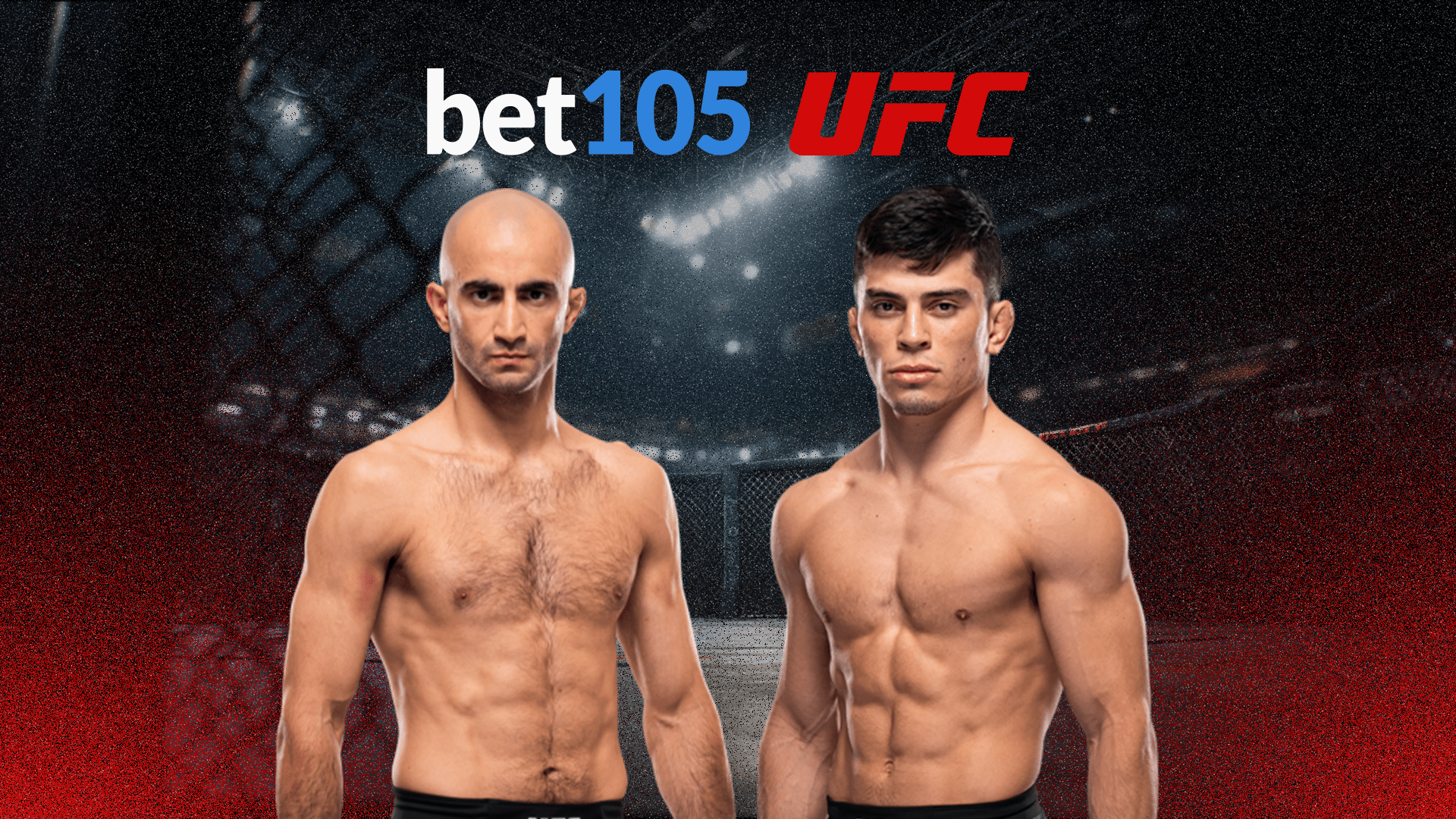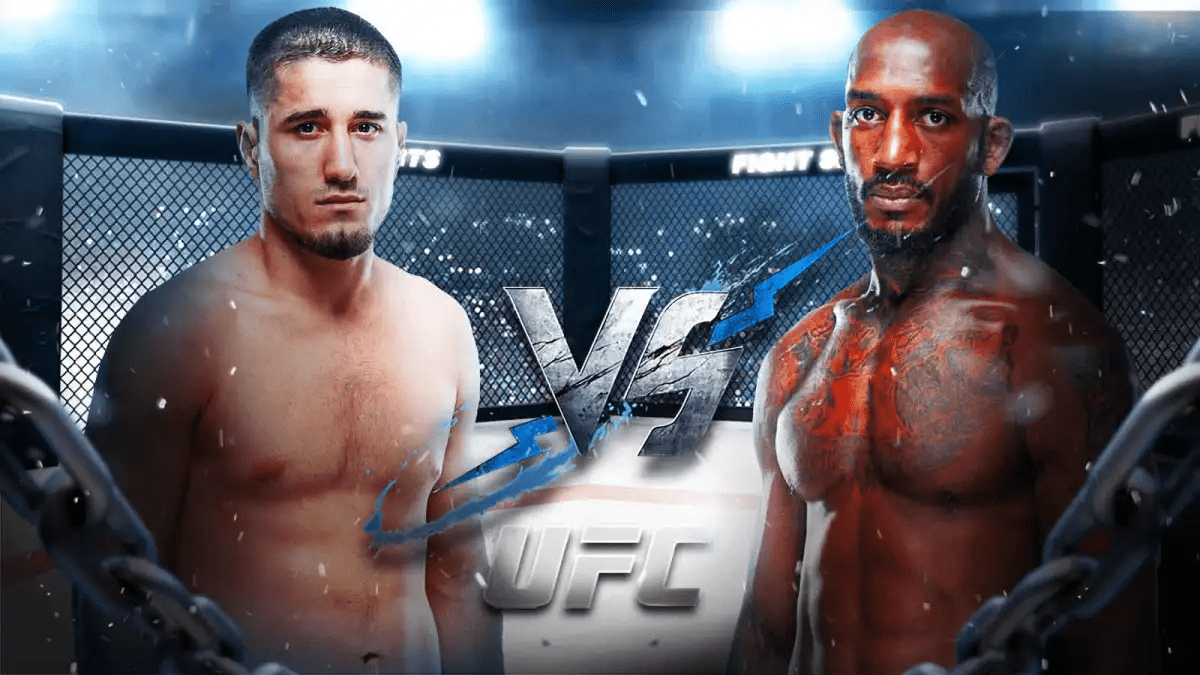
Neil Magny vs. Yaroslav Amosov Advanced Fight Analysis – UFC on ESPN 73: Royval vs. Kape Prelims
UFC on ESPN 73 Prelims: Neil Magny vs Yaroslav Amosov Advanced Fight Analysis Event: UFC on ESPN 73: Royval
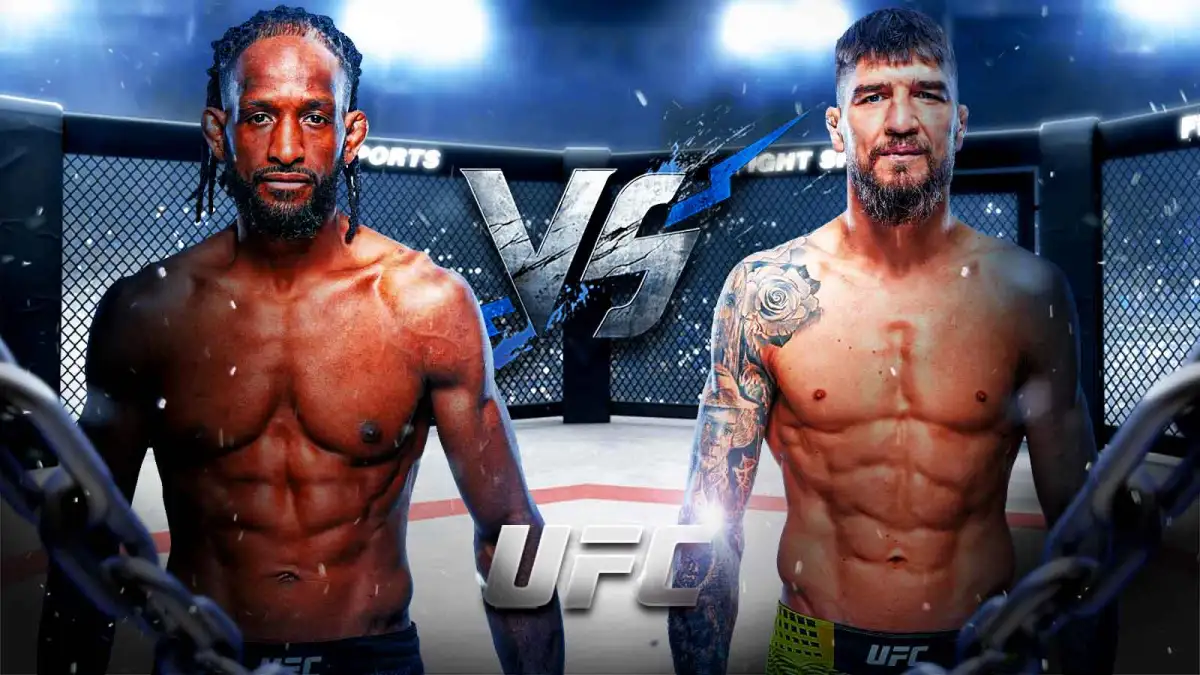
UFC on ESPN 73 Prelims: Neil Magny vs Yaroslav Amosov Advanced Fight Analysis
Event: UFC on ESPN 73: Royval vs Kape
Date: December 13, 2025 at 7:00pm ET (Prelims)
Location: UFC Apex, Las Vegas
Division: Welterweight (170 lbs)
Fighter Comparison
| Fighter | Record | Age | Height | Reach | Stance | KO Wins | Sub Wins | Decision Wins |
|---|---|---|---|---|---|---|---|---|
| Neil Magny | 31 14 | 38 | 6’3″ | 80″ | Orthodox | 7 | 4 | 20 |
| Yaroslav Amosov | 28 1 | 31 | 5’11” | 75″ | Orthodox | 9 | 10 | 9 |
Note: Amosov debuts in the UFC with modeled stats style metrics based on Bellator performance analytics.
Attribute Visuals
Neil Magny
Range Management         ██████████████░░  ⭐⭐⭐⭐⭐
Cardio and Pace          ███████████████░  ⭐⭐⭐⭐⭐
Clinching Leverage       ███████████░░░░░  ⭐⭐⭐⭐☆
Top Control              ███████░░░░░░░░░  ⭐⭐⭐☆☆
Submission Defense       ████████████░░░░  ⭐⭐⭐⭐☆
Durability               ███████████░░░░░  ⭐⭐⭐⭐☆
Finishing Power          ██████░░░░░░░░░░  ⭐⭐☆☆☆
Yaroslav Amosov
Wrestling Chains         ████████████████  ⭐⭐⭐⭐⭐ 🔥
Top Control Pressure     ███████████████░  ⭐⭐⭐⭐⭐
Submission Threat        ██████████░░░░░░  🔥🔥🔥
Striking Discipline      ███████████░░░░░  ⭐⭐⭐⭐☆
Defensive Footwork       █████████░░░░░░░  ⭐⭐⭐☆
Scramble Dominance       █████████████░░░  ⭐⭐⭐⭐⭐
Durability               ████████████░░░░  ⭐⭐⭐⭐☆
Key Stylistic Edges
━━━━━━━━━━━━━━━━━━━━━━━━
Height and Reach     → Clear edge Magny
Clinch Grappling     → Competitive, slight edge Magny
Chain Wrestling      → Strong edge Amosov 🔥
Top Control          → Edge Amosov
Long Range Striking  → Clear edge Magny
Submission Threat    → Amosov by a wide margin 🔥🔥🔥
Cardio Projection    → Even
Fighter Backgrounds
Neil Magny
Neil Magny has long been one of the UFC’s most reliable benchmarks at welterweight. A veteran with more than 45 professional fights, Magny embodies a style built around range management, cardio, discipline and intelligent use of physical tools. His eight inch reach advantage will be among his most significant assets in this matchup. Magny’s jab centric approach creates consistent scoring opportunities while discouraging opponents from entering recklessly. When his jab lands early and he dictates movement, he becomes one of the most difficult fighters in the division to put away.
Magny’s clinch game is another pillar of his style. He leverages his tall frame, long arms and excellent grip fighting to overwhelm opponents in the fence. He excels at framing high, pinning opponents in place and landing short elbows and knees. His ability to drain opponents with repeated clinch resets has won him countless rounds in close fights. Against wrestlers, Magny often uses the clinch as a defensive buffer instead of sprawling space. This can frustrate opponents who struggle to complete takedowns against his length.
Magny’s wrestling is underrated but not elite. He fares well defending single leg and double leg shots in open space but is more vulnerable against chain wrestling. When opponents attack repeatedly and push through positions aggressively, Magny can be forced into bottom situations. His bottom defense is mostly survival oriented. He rarely creates explosive scrambles but instead focuses on framing, blocking transitions and stalling until stand ups. Against elite grapplers, this has sometimes cost him rounds.
Durability and cardio are Magny’s greatest long term strengths. He rarely fades, even in high pressure fights. His pace management forces opponents to work harder than they intended. When fights reach the third round, Magny often takes over simply by being fresher. That consistency makes him a difficult test for debutants. However, elite wrestlers who can collapse his range and force repeated takedowns have historically given him problems.
Bettor Takeaway: Magny wins by maintaining range, controlling clinches, avoiding prolonged bottom time and forcing Amosov into a striking based fight where the reach advantage becomes a major factor.
Yaroslav Amosov
Yaroslav Amosov enters the UFC with one of the strongest non UFC welterweight resumes in modern MMA. His 28 1 record includes dominant wins over elite wrestlers, dangerous strikers and submission specialists. He brings a suffocating wrestling style built on relentless pressure, chain attempts and overwhelming top control. From a stylistic standpoint, Amosov resembles a hybrid of Kamaru Usman’s pressure wrestling and Arman Tsarukyan’s transitional fluidity. He is not a static grinder. He constantly forces reactions and uses those reactions to advance position.
Amosov’s wrestling is built around entries that rarely stop after the first contact. He shoots, reshoots, transitions to body locks, elevates, runs the pipe or switches to trips until the takedown completes. Once he gets the fight to the mat, he immediately advances rather than hanging out in guard. His top control is among the most dominant in the welterweight division globally. He applies consistent chest pressure, blocks hips with his knees and prevents opponents from building to posts. These mechanics will test Magny’s historically passive bottom grappling.
His submission game is opportunistic and explosive. Amosov attacks necks during scrambles, hunts back exposures and uses positional dominance to create forced openings. He does not spam submission attempts. Instead, he wears opponents down, breaks posture and capitalizes as they fatigue or panic. His arm triangle series is particularly strong and could pose a real threat if Magny is stuck under half guard for extended periods.
Striking for Amosov is functional and improving. He works behind a high guard and uses feints to create openings for level changes. His jab is not crisp, but his straight right is accurate and lands especially well when opponents expect a takedown. He is comfortable striking long enough to hide entries but not long enough to win extended striking rounds against top level technicians. Against a rangy striker like Magny, Amosov will need to close distance early.
Bettor Takeaway: Amosov wins by collapsing distance, forcing chain wrestling, achieving top control and exhausting Magny with relentless positional pressure. The more grappling exchanges occur, the clearer his advantage becomes.
Stat Comparison Table
| Metric | Magny | Amosov (modeled) |
|---|---|---|
| Strikes Landed per Minute | 3.6 | 2.8 |
| Strikes Absorbed per Minute | 2.1 | 2.4 |
| Striking Accuracy | 46 percent | 49 percent |
| Takedown Accuracy | 42 percent | 64 percent 🔥 |
| Takedown Defense | 57 percent | 78 percent |
| Submission Rate | 13 percent | 36 percent 🔥 |
| Control Projection | Moderate | Very High |
Finish Type Charts
Neil Magny
KO/TKO      ██████░░░░░░░░░░ 23 percent
Submission  ████░░░░░░░░░░░ 13 percent
Decision    ██████████████░░ 64 percent ⭐
Yaroslav Amosov
KO/TKO      ███████░░░░░░░░░ 28 percent
Submission  ███████████░░░░ 36 percent 🔥
Decision    █████████░░░░░░ 36 percent
Historical Matchup Context
Magny vs Amosov is a quintessential veteran gatekeeper vs elite international champion stylistic matchup. Historically in the UFC, these pairings hinge on whether the veteran can frustrate the pressure grappler long enough to turn the fight into a cardio and range management contest. Fighters like Magny have succeeded against inconsistent or one dimensional wrestlers. Against structured, chain wrestling heavy pressure fighters, however, Magny has struggled to keep fights upright. Amosov represents one of the strongest examples of that archetype entering the UFC in the past decade.
Magny’s career sample provides a clear pattern. When he keeps fights at long range, sticks behind the jab and enters clinches on his own terms, he wins rounds with efficiency. His height and reach create striking layers many welterweights cannot solve. Against forward pressure wrestlers, however, Magny’s tendency to back up on straight lines becomes a liability. Fighters like Michael Chiesa, Shavkat Rakhmonov and Gilbert Burns exploited Magny’s reactive wrestling liabilities by collapsing range early and forcing him to the mat before he could establish rhythm.
Amosov has spent his career defeating long strikers, aggressive punchers, counter specialists and elite grapplers. His style presents the same problem that Magny has historically failed to solve. Unlike wrestlers who rely primarily on singles or doubles, Amosov combines traditional wrestling entries with trips, sweeps, re shots and relentless mat returns. This ensures that even if the first takedown is defended, the next three or four attempts come immediately. Magny’s defensive wrestling does not perform well under that type of layered pressure.
| Opponent Type | Magny Trend | Amosov Trend |
|---|---|---|
| Long Range Strikers | Strong | Strong |
| Pressure Grapplers | Weaker | Very Strong 🔥 |
| Elite Scramblers | Moderate | Very Strong |
| Volume Boxers | Strong | Strong |
| Submission Specialists | Moderate | Strong |
The trend pattern highlights the core issue. Magny tends to struggle most with fighters who can force sustained grappling pressure. Amosov is one of the best in the world at exactly that. Conversely, Amosov’s weakest moments historically have come against fighters who can maintain outside range and never allow him to get his hands locked. Magny fits this profile offensively, but the question is whether he can keep Amosov at bay long enough to apply it.
Round Finish Trends
Neil Magny
Round 1 Finishes   ███░░░░░░░░░░░░ 12 percent
Round 2 Finishes   ████░░░░░░░░░░ 18 percent
Round 3 Finishes   ██░░░░░░░░░░░░ 10 percent
Decisions          ███████████████ 60 percent ⭐
Yaroslav Amosov
Round 1 Finishes   ███████░░░░░░░░ 30 percent
Round 2 Finishes   ████████░░░░░░░ 35 percent 🔥
Round 3 Finishes   ███░░░░░░░░░░░░ 15 percent
Decisions          ███████░░░░░░░░ 20 percent
Magny rarely finishes elite opponents early, instead relying on cardio and attrition. Amosov’s finishing windows are most active in rounds one and two when pressure is fresh and top control is fastest. If Magny survives the early takedown attempts and forces exhaustion, the dynamic of the fight changes significantly. If Amosov lands clean entries early, the fight becomes increasingly difficult for Magny to recover.
Momentum and Trajectory
Magny Momentum
Momentum Rating    ★★☆☆☆
Trajectory         Downward
Finishing Threat   Low
Cardio Stability   High
Primary Liability  Early takedowns and ground control
Amosov Momentum
Momentum Rating    ★★★★★
Trajectory         Peak form ⭐
Finishing Tools    Strong 🔥🔥
Round Winning      Elite
Primary Liability  Extended range striking contests
Magny enters this matchup later in his career, carrying declining durability and reduced speed. His strengths remain intact, but his margin for error has narrowed significantly. Amosov enters in peak career form with proven high level competition, a dominant 28 1 record and a game built on pressure and dictation. The trajectory difference is stark. Magny relies on veteran savvy. Amosov enters as the fighter with far more physical and technical momentum.
Advanced Positional Assessment
| Phase | Magny Advantage | Amosov Advantage | Analysis |
|---|---|---|---|
| Open Space Striking | High | Low | Magny’s jab and reach dominate at distance |
| Pocket Exchanges | Moderate | Slight | Amosov’s compact shots punish level change reactions |
| Clinch | Slight | Slight | Magny uses frames; Amosov uses body locks |
| Wrestling Offense | Low | Very High 🔥 | Chain wrestling defines Amosov’s identity |
| Wrestling Defense | Moderate | High | Amosov rarely concedes control |
| Top Control | Low | Very High 🔥🔥 | Amosov maintains dominant pressure and positional advancement |
| Scrambles | Low | High | Amosov wins most transitional power exchanges |
| Late Fight Cardio | High | High | Neither fades meaningfully |
The positional map shows Magny’s clearest winning category is long range striking. In nearly every grappling related phase Amosov holds significant advantages. Historically, grappling advantages tend to dictate round scoring more reliably than striking advantages unless the striker produces major damage moments.
Probability Modeling
| Outcome | Projected Probability |
|---|---|
| Amosov wins | 68 percent |
| Magny wins | 32 percent |
| Fight goes to decision | 42 percent |
| Fight ends inside distance | 58 percent |
| Amosov by decision | 28 percent |
| Amosov by submission | 26 percent 🔥 |
| Magny by decision | 24 percent |
Win Path Breakdown
━━━━━━━━━━━━━━━━━━━━━━━━━
If Amosov wins:
• 40 percent by decision
• 35 percent by submission 🔥
• 25 percent by ground TKO

If Magny wins:
• 75 percent by decision
• 15 percent by KO/TKO
• 10 percent by submission
Amosov’s paths are more numerous and more reliable. Magny’s path is narrower but not impossible. He must keep the fight standing and use range tools consistently across fifteen minutes.
Prop Correlation Matrix
| Prop | Correlation Strength | Explanation |
|---|---|---|
| Amosov by Submission | High 🔥 | Magny struggles under strong top pressure |
| Amosov by Decision | Moderate | Control time heavy rounds possible |
| Magny by Decision | Moderate | Live if he keeps distance and avoids sustained clinches |
| Fight Ends Inside Distance | Moderate | Amosov’s pressure can break positions quickly |
| Over 2.5 Rounds | Moderate | Magny durability extends fights |
Market Heat Map
HIGH VALUE
━━━━━━━━━━━━━━━━━━
Amosov by Submission
Amosov Moneyline in parlays
Fight Ends Inside Distance if priced moderately

MODERATE VALUE
━━━━━━━━━━━━━━━━━━
Magny Decision
Over 1.5 Rounds

LOW VALUE
━━━━━━━━━━━━━━━━━━
Magny KO/TKO
Amosov Round 1 at heavy inflation
Overs if priced high
Final Technical Breakdown
This matchup encapsulates a classic test posed to aging UFC veterans. Can Neil Magny’s length, cardio, clinch savvy and veteran composure override the suffocating wrestling pressure, positional dominance and finishing upside of a younger, undefeated international champion making the jump to the world’s elite stage. Magny has built a career upsetting prospects who were not disciplined enough to maintain consistent pressure. Amosov is not that type of fighter. His pressure is systematic, layered and technically sound, making this a dramatically different challenge.
Magny’s clearest advantage remains his ability to command distance. His frame gives him unique leverage at welterweight. When he steps behind his jab and uses lateral movement instead of straight line retreats, Magny can keep even high level pressure fighters at bay temporarily. Against Amosov, those moments will matter significantly. The more time Magny spends striking at full extension, the more he can force Amosov to reset, burning clock and reducing the number of wrestling cycles per round. Magny must be proactive, not reactive. If he waits for Amosov to initiate, he will be backing up almost immediately and losing the positional battle before exchanges even begin.
The difficulty for Magny lies in the nature of Amosov’s entries. Amosov does not rely on predictable double legs or opportunistic singles. His attacks blend from level changes to body locks to inside trips and tree top lifts. Even if Magny defends the initial shot, Amosov continues applying pressure until a mat return or angle break occurs. Historically, this exact type of relentless chain wrestling has cracked Magny’s defensive layers. He can defend the first and sometimes the second shot but rarely wins the full sequence. Against Amosov, a single conceded takedown can cost Magny an entire round due to Amosov’s elite ability to hold and advance position.
Striking exchanges offer promise for Magny but contain hidden risks. Amosov’s striking is not elegant, but it is purposeful. He uses feints and small level changes to draw out defensive reactions that open the door for takedowns. When opponents begin anticipating shots too heavily, Amosov will throw compact right hands over the top. Magny’s tendency to extend his guard during jab exchanges can expose him to these counters. While Magny is historically durable, the accumulation of defensive reactions required to survive extended sequences will drain energy rapidly.
On the mat, the skill disparity becomes more pronounced. Magny’s bottom game is focused on stalling, posting and minimizing damage. Against mid tier wrestlers, this often works. Against elite pressure grapplers, it becomes insufficient. Amosov advances methodically, applying chest pressure, blocking hips and isolating limbs. His submissions are opportunistic rather than forced, which makes them more dangerous. When opponents fatigue under his control, Amosov will slide into arm triangle pressure or back control transitions with seamless timing. If Magny ends up underneath Amosov more than once per round, his chances of winning diminish drastically.
The cardio narrative is interesting. Magny has been traditionally seen as one of the most dependable cardio fighters at 170 pounds. However, cardio advantage only exists if he can force striking phases. Amosov’s style burns energy for opponents, not for himself. His pressure is efficient, and his positional dominance reduces the need for explosive actions. If Amosov forces a grappling heavy fight, Magny’s cardio becomes a muted factor. If Magny keeps the fight upright consistently, cardio swings into his favor. The matchup is volatile because the cardio advantage is entirely dependent on phase control.
Durability aligns with both fighters’ histories. Magny has been finished by elite grapplers and heavy hitters, but he has also survived prolonged punishment in numerous high level bouts. Amosov has weathered storms from powerful strikers and elite wrestlers, showcasing a strong chin and excellent recovery instincts. The fighter more likely to produce real finishing danger is Amosov, simply due to positional dominance, submission threat and Magny’s historical tendency to struggle with back exposure during mat scrambles.
Strategically, this becomes a fight where Magny must win minutes, while Amosov aims to win moments and then convert those moments into extended control. Magny’s path requires nearly perfect discipline. He must jab relentlessly, move laterally and avoid all level change traps. Amosov’s path is far more forgiving. He only needs one clean entry per round to impose his strongest domain. Once he gets inside Magny’s frame, the fight will shift heavily in his favor.
Final Prediction
Magny finds early success with his jab, slowing Amosov’s forward pressure and forcing striking engagements in the first two minutes. But once Amosov begins timing Magny’s step backs and jab retractions, the takedown entries start connecting. From there, Amosov’s chain wrestling overwhelms Magny’s defense, leading to extended stretches of top control across multiple rounds. Magny’s durability keeps him in the fight, but Amosov’s positional dominance and pressure striking create consistent, undeniable scoring advantages.
Prediction: Yaroslav Amosov wins by decision
Method confidence: High
Volatility factor: Low to Moderate
Key swing variable: Magny’s ability to keep the first three minutes of each round at striking range
Bettor’s Summary
- Amosov edge: Best wrestling on the card, relentless chain entries, elite top control, strong finishing threats from pressure positions.
- Magny path: Use length, punish level changes with straight strikes, stay mobile and force a kickboxing match for three rounds.
- Market sweet spot: Amosov by submission or decision. Magny decision as a contrarian angle.
- Contrarian angle: Magny UD becomes viable only if he neutralizes takedown entries early and maintains range discipline perfectly.
- Optimal entry point: Amosov ML and Amosov SUB props when priced at value. Overs also playable if expecting durability on both sides.
For the best odds on UFC fights, visit bet105, the top sportsbook with reduced juice, fast crypto payouts and sharp friendly limits.
Read advanced fight analyses for all bouts on the UFC on ESPN 73 card;
Main Card
- Brandon Royval vs. Manel Kape Advanced Fight Analysis
- Giga Chikadze vs. Kevin Vallejos Advanced Fight Analysis
- Cesar Almeida vs. Cezary Oleksiejczuk Advanced Fight Analysis
- Melquizael Costa vs. Morgan Charrière Advanced Fight Analysis
- Kennedy Nzechukwu vs. Marcus Buchecha Advanced Fight Analysis
Prelims
- Amanda Lemos vs. Gillian Robertson Advanced Fight Analysis
- Sean Sharaf vs. Steven Asplund Advanced Fight Analysis
- Melissa Croden vs. Luana Santos Advanced Fight Analysis
- Allen Frye Jr. vs. Guilherme Pat Advanced Fight Analysis
- Jamey-Lyn Horth vs. Tereza Bleda Advanced Fight Analysis
- Bobby “King” Green vs. Lance Gibson Jr. Advanced Fight Analysis
Disclaimer
This analysis uses AI assisted statistical research alongside human analysis and editorial oversight. Despite verification efforts, data errors may occur. Readers should independently verify odds, fighter stats and records before betting. Projections are analytical estimates, not guarantees.