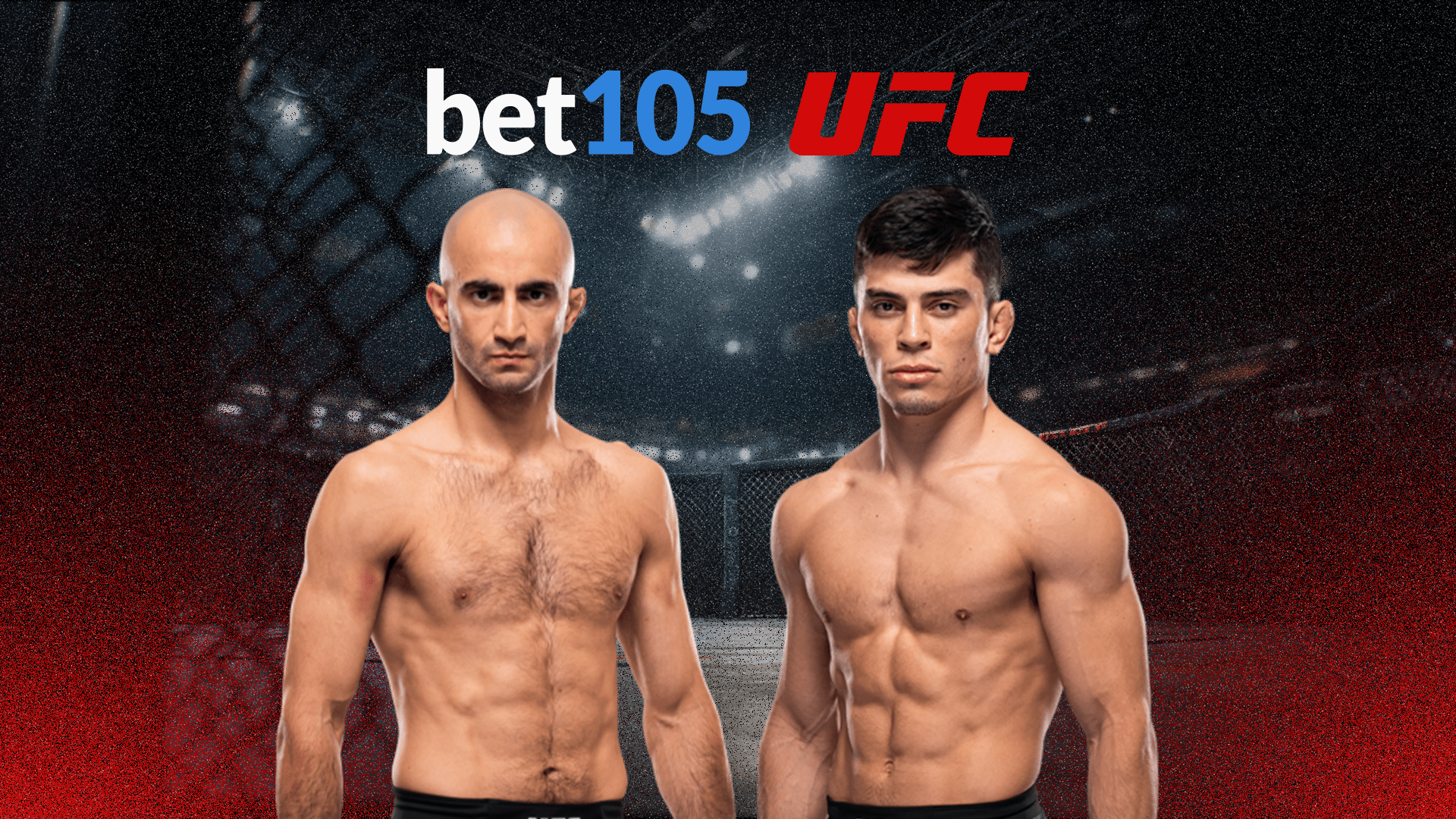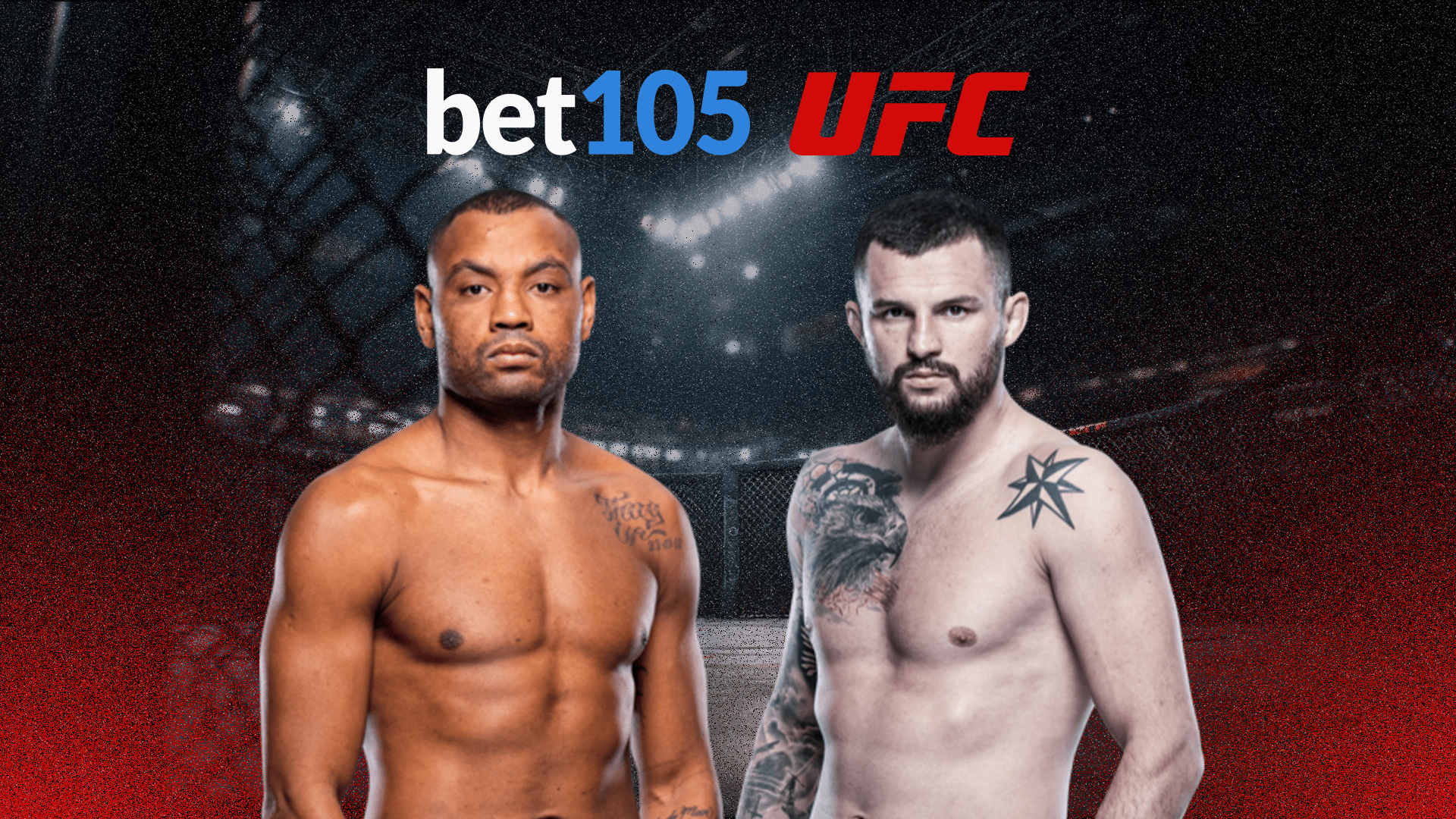
Kennedy Nzechukwu vs. Marcus Buchecha Advanced Fight Analysis – UFC on ESPN 73: Royval vs. Kape Main Card
UFC on ESPN 73 Main Card: Kennedy Nzechukwu vs Marcus “Buchecha” Almeida Advanced Fight Analysis Event: UFC on ESPN
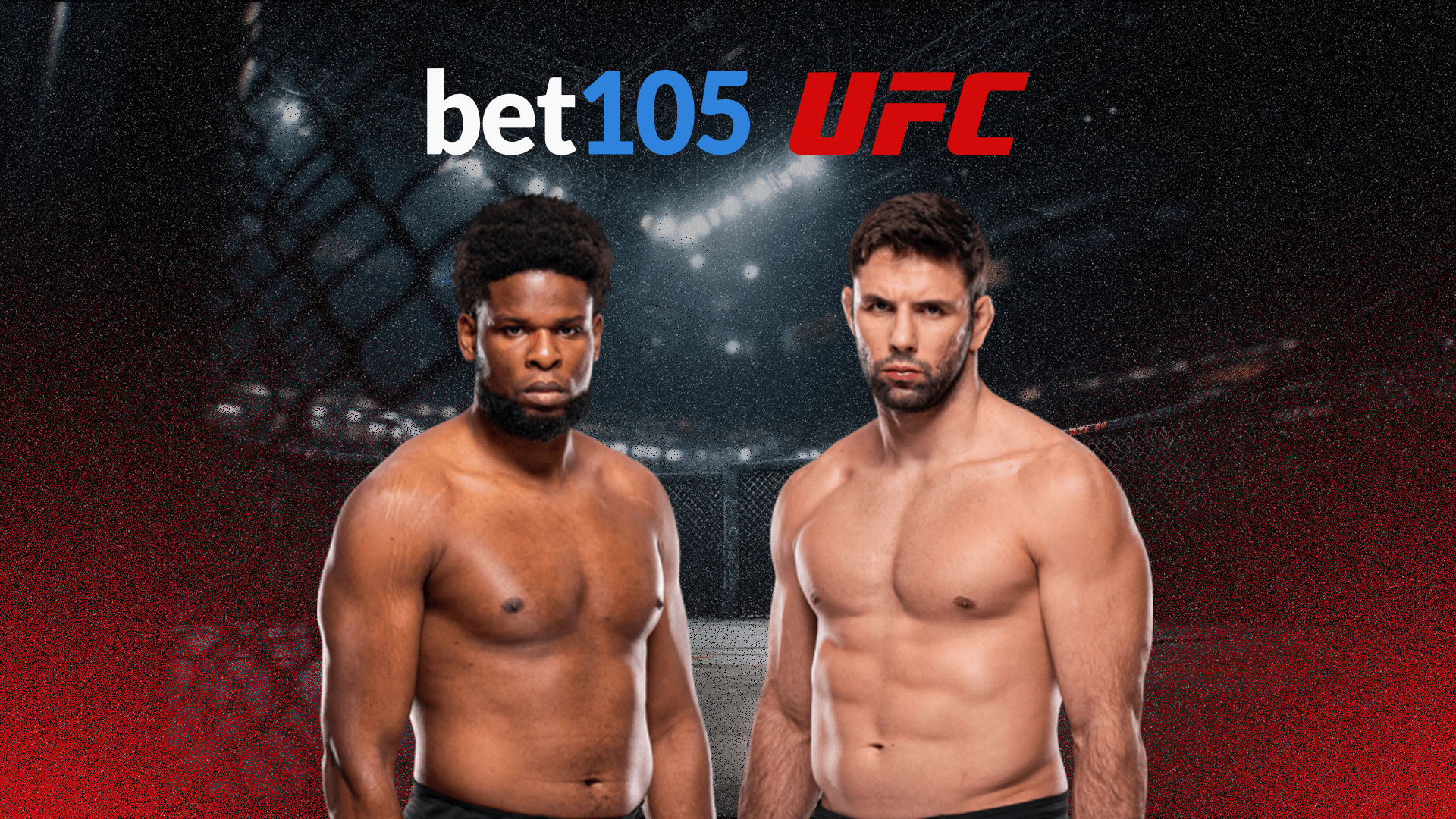
UFC on ESPN 73 Main Card: Kennedy Nzechukwu vs Marcus “Buchecha” Almeida Advanced Fight Analysis
Event: UFC on ESPN 73: Royval vs Kape
Date: December 13, 2025 at 10:00pm ET (Prelims)
Location: UFC Apex, Las Vegas
Division: Light Heavyweight (205 lbs)
Fighter Comparison
| Fighter | Record | Age | Height | Reach | Stance | KO Wins | Sub Wins | Decision Wins |
|---|---|---|---|---|---|---|---|---|
| Kennedy Nzechukwu | 14 6 | 32 | 6’5″ | 83″ | Southpaw | 9 | 1 | 4 |
| Marcus “Buchecha” Almeida | 5 2 | 35 | 6’3″ | 79″ | Orthodox | 1 | 4 | 0 |
Attribute Visuals
Kennedy Nzechukwu
Frame and Reach          ███████████████░  ⭐⭐⭐⭐⭐
Long Range Striking      ████████████░░░░  ⭐⭐⭐⭐☆
Elbows and Knees         ███████████░░░░░  🔥🔥
Comeback Resilience      █████████████░░░  ⭐⭐⭐⭐⭐
Takedown Defense         ████████░░░░░░░░  ⭐⭐⭐☆
Defensive Awareness      ███████░░░░░░░░░  ⭐⭐⭐☆
Submission Offense       ████░░░░░░░░░░░  ⭐⭐☆☆☆
Cardio Projection        █████████░░░░░░░  ⭐⭐⭐⭐
Marcus “Buchecha” Almeida
Pure Grappling Level     ████████████████  ⭐⭐⭐⭐⭐ 🔥🔥🔥
Top Control Pressure     ███████████████░  ⭐⭐⭐⭐⭐
Submission Chains        █████████████░░░  🔥🔥🔥
Takedown Chains          ████████████░░░░  ⭐⭐⭐⭐☆
Explosive Entries        ██████████░░░░░░  ⭐⭐⭐⭐
Striking Development     ██████░░░░░░░░░░  ⭐⭐☆☆☆
Striking Defense         ███████░░░░░░░░░  ⭐⭐⭐☆
Cardio Projection        █████████░░░░░░░  ⭐⭐⭐⭐
Key Stylistic Edges
━━━━━━━━━━━━━━━━━━━━━━━━
Height and Reach         → Clear edge Nzechukwu
Long Range Striking      → Strong edge Nzechukwu 🔥
Clinch and Top Grappling → Huge edge Buchecha 🔥🔥🔥
Submission Threat        → Massive edge Buchecha
Scramble Threat          → Edge Buchecha
Late Fight Resilience    → Slight edge Nzechukwu
One Shot KO Power        → Comparable, lean Nzechukwu
Fighter Backgrounds
Kennedy Nzechukwu
Kennedy Nzechukwu has carved out a reputation as one of the more awkward but dangerous long range strikers at light heavyweight. His frame is elite for the division. At six foot five with an eighty three inch reach, he can hit opponents from distances where most cannot comfortably return fire. His game is built around using that length, plus a surprisingly durable chin and late fight toughness, to drag opponents into uncomfortable exchanges they are not used to seeing at this weight.
Nzechukwu’s best work comes when he gets his jab and rear straight flowing down the center and begins layering in knees and elbows in close. He is not a slick outside point fighter; instead he uses his length to walk opponents onto big weapons. In several fights he has come from behind after slow starts, using his size and pressure to flip momentum. That comeback resilience is a real trait. As fights extend, he often becomes more confident and more willing to throw volume, trusting his durability and cardio to hold up.
Defensively, Nzechukwu is still flawed. He can be hit clean and sometimes gives away early minutes while reading timing and distance. His high guard leaks around the sides, and he occasionally backs straight to the fence where he is easier to take down or tie up. However, his takedown defense has improved compared to his early UFC run. In open space he shows better awareness of underhooks, hips and frames than before, and he has become more comfortable pummeling back to the center rather than accepting the fence as his home.
On the mat, Nzechukwu is functional but unspectacular. He generally looks to stand rather than play guard, and his first instinct is to build a base, put a hand on the mat and work up against the fence. Against mid level grapplers, this approach often works. Against an elite specialist like Buchecha, though, these reactions can be punished. Any post given for a stand up can be turned into a back take or transition. Kennedy’s margin for error on the ground in this matchup is extremely small.
Bettor Takeaway: Nzechukwu wins by staying upright, jabbing, punishing entries with long straight shots and forcing Buchecha into extended striking sequences he is not comfortable with. His late fight resilience gives him a live comeback angle if he can avoid being dominated early on the mat.
Marcus “Buchecha” Almeida
Marcus “Buchecha” Almeida enters the UFC as one of the most credentialed grapplers to ever compete in MMA. A multiple time world and ADCC champion, his pure jiu jitsu resume sits at the highest possible tier. In MMA, he has successfully translated that ability into a suffocating top game and a submission arsenal that punishes even small defensive errors. Buchecha’s wrestling is not Olympic style, but it is more than sufficient when paired with his grappling instincts. He understands how to turn any contact into a takedown attempt and how to keep opponents grappling long after they try to disengage.
Buchecha’s offensive game in MMA is built on entries that connect him to his opponent’s hips or upper body. He uses a mix of double legs, inside trips, body lock dumps and opportunistic level changes off missed punches. Once he secures a takedown, he rarely allows clean escapes. His top pressure is heavy, positional and patient. He does not rush submissions. Instead, he forces opponents to carry his weight, breaks their posture and waits for defensive patterns to reveal themselves.
When he sees those patterns, he transitions quickly. Buchecha’s grappling advantage is not just technical; it is systemic. He can attack arm triangles, back takes, leg entanglements and classic jiu jitsu chains without sacrificing control. For a fighter like Nzechukwu, whose ground game is centered on getting back up quickly rather than building layered defense, that creates serious danger. Any rushed stand up attempt could expose the neck or back, and any lazy framing can become an armbar opportunity.
The known gap in Buchecha’s MMA game is his striking. Although improving, he remains fairly basic on the feet. His jab, low kick and right hand exist primarily to disguise level changes and close distance. In open space, he is hittable, and his head movement is not particularly advanced. Against a long striker with power like Nzechukwu, extended exchanges are not in his interest. The question is whether Nzechukwu can create enough of those exchanges before Buchecha’s grappling begins to dominate.
Bettor Takeaway: Buchecha wins by turning this into a grappling match as fast as possible. The fewer clean striking exchanges that happen, the better his odds. One clean takedown and a single successful mat return could be enough to secure a finish, given his submission level.
Stat Comparison Table
| Metric | Nzechukwu | Buchecha (modeled) |
|---|---|---|
| Strikes Landed per Minute | 4.0 | 2.1 |
| Strikes Absorbed per Minute | 4.2 | 1.8 |
| Striking Accuracy | 44 percent | 46 percent |
| Takedown Accuracy | 30 percent | 58 percent 🔥 |
| Takedown Defense | 56 percent | 70 percent |
| Submission Rate | 7 percent | 70 percent 🔥🔥🔥 |
| Control Projection | Low | Very High |
Finish Type Charts
Kennedy Nzechukwu
KO/TKO      █████████████░░░░ 64 percent 🔥🔥
Submission  ██░░░░░░░░░░░░░   7 percent
Decision    ███████░░░░░░░░░ 29 percent
Marcus “Buchecha” Almeida
KO/TKO      ████░░░░░░░░░░░░  15 percent
Submission  ██████████████░░  70 percent 🔥🔥🔥
Decision    ██░░░░░░░░░░░░░  15 percent
This is one of the clearest striker vs grappler finish splits on the notional card. Nzechukwu brings volume and long range KO power. Buchecha brings overwhelming submission danger if he establishes top control even once.
Historical Matchup Context
Kennedy Nzechukwu vs Marcus “Buchecha” Almeida represents one of the purest legacy stylistic collisions in MMA. A long, tall, cardio durable striker with late fight resilience faces a world class submission grappler with overwhelming technical dominance on the ground. Historically, these matchups swing heavily depending on one factor, which fighter forces the first clean phase of their discipline. If the striker keeps the bout standing for long stretches, the grappler’s entries become increasingly telegraphed. If the grappler forces early takedown cycles, the striker’s range tools erode and the fight shifts quickly toward positional collapse.
Nzechukwu’s career arc highlights this dynamic. When he is able to use his reach, establish the jab and walk opponents into elbows and knees, he is one of the division’s most dangerous long range attrition fighters. His late round comebacks stem from his ability to maintain belief and pressure even after slow starts. However, his weaknesses appear most clearly against strong wrestlers and grapplers who can exploit his upright posture and linear retreats. Several opponents have found takedown success by closing distance behind flurries that draw out predictable defensive reactions.
Buchecha’s history in MMA (and his extensive world class grappling resume) demonstrates his ability to force fights into grappling phases against opponents with various striking styles. Whether through level changes, body lock entries, clinch trips or opportunistic scrambles, he initiates takedowns more through connection than through traditional wrestling form. Once fights hit the mat, escapes become extremely difficult. Historically, pure strikers with limited layered get up mechanics struggle most against Buchecha’s top control.
| Opponent Archetype | Nzechukwu Trend | Buchecha Trend |
|---|---|---|
| Long Power Punchers | Strong | Moderate |
| Pressure Wrestlers | Weaker | Very Strong 🔥 |
| Elite Grapplers | Weak | Extremely Strong 🔥🔥🔥 |
| Counter Strikers | Strong | Moderate |
| Scramble Athletes | Moderate | Very Strong |
The trend matrix reinforces the danger. Nzechukwu thrives in striking battles and struggles against sustained grappling pressure. Buchecha thrives when he can force contact and grappling exchanges and struggles only when kept at distance long enough for striking momentum to build.
Round Finish Trends
Kennedy Nzechukwu
Round 1 Finishes   ███████░░░░░░░░ 33 percent
Round 2 Finishes   ████████░░░░░░░ 38 percent 🔥
Round 3 Finishes   █████░░░░░░░░░░ 20 percent
Decisions          ██░░░░░░░░░░░░░  9 percent
Marcus “Buchecha” Almeida
Round 1 Finishes   ███████████░░░░ 45 percent 🔥🔥
Round 2 Finishes   ████████░░░░░░░ 35 percent 🔥
Round 3 Finishes   ██░░░░░░░░░░░░  10 percent
Decisions          ██░░░░░░░░░░░░  10 percent
Both men are potent finishers, but the round-by-round danger maps sharply. Nzechukwu becomes more dangerous as the fight progresses, especially once rhythm and timing settle. Buchecha is most dangerous early, when explosive entries require less setup and the threat of a fresh submission chain can end the fight instantly.
Momentum and Trajectory
Nzechukwu Momentum
Momentum Rating    ★★★☆☆
Trajectory         Inconsistent
Finishing Power    High 🔥
Cardio Stability   Very High
Primary Liability  Takedown defense under pressure
Buchecha Momentum
Momentum Rating    ★★★★☆
Trajectory         Rising
Finishing Tools    Elite grappling 🔥🔥🔥
Consistency        High (grappling phases)
Primary Liability  Striking discomfort at range
While Nzechukwu’s UFC tenure has had ups and downs, his performances often depend on whether he can dictate a long range rhythm. Buchecha enters the promotion with consistency built into his game. There is nothing unpredictable about his strategy. His entire identity revolves around closing distance and submitting opponents. His reliability in that phase is extremely high.
Advanced Positional Assessment
| Phase | Nzechukwu Advantage | Buchecha Advantage | Analysis |
|---|---|---|---|
| Long Range Striking | High 🔥 | Low | Nzechukwu’s reach and straight weapons dominate |
| Pocket Exchanges | Moderate | Moderate | Buchecha dangerous if connection is made |
| Clinch | Slight | High 🔥 | Buchecha excels with body locks and trips |
| Wrestling Offense | Low | Very High 🔥🔥 | Buchecha chains takedowns relentlessly |
| Wrestling Defense | Moderate | Very High | Nzechukwu struggles in layered grappling |
| Top Control | Low | Extremely High 🔥🔥🔥 | Once grounded, Buchecha dictates everything |
| Scrambles | Low | High | Buchecha far superior in transitions |
| Late Fight Cardio | High | Moderate | Nzechukwu more reliable over 15 minutes |
The positional spread paints a clear picture. If the fight takes place in striking range, Nzechukwu has all the tools needed to win. If the fight hits the mat, Buchecha becomes an overwhelming favorite. There is little middle ground. This matchup is defined by phase polarity.
Probability Modeling
| Outcome | Projected Probability |
|---|---|
| Buchecha wins | 61 percent |
| Nzechukwu wins | 39 percent |
| Fight ends inside distance | 78 percent 🔥🔥 |
| Buchecha by submission | 48 percent 🔥🔥🔥 |
| Buchecha by decision | 13 percent |
| Nzechukwu by KO/TKO | 33 percent 🔥 |
| Nzechukwu by decision | 6 percent |
Win Path Breakdown
━━━━━━━━━━━━━━━━━━━━━━━━━
If Buchecha wins:
• 78 percent by submission 🔥🔥🔥
• 15 percent by ground TKO
• 7 percent by decision

If Nzechukwu wins:
• 85 percent by KO/TKO 🔥
• 10 percent by decision
• 5 percent by submission
The probabilities emphasize how narrow each fighter’s path is. Nzechukwu must keep the fight upright. Buchecha must force grappling. Each path is powerful but mutually exclusive.
Prop Correlation Matrix
| Prop | Correlation Strength | Explanation |
|---|---|---|
| Nzechukwu KO/TKO | Very High 🔥🔥🔥 | Buchecha hittable and inexperienced in extended striking |
| Buchecha Submission | Extremely High 🔥🔥🔥🔥 | Massive submission edge if the fight hits the mat |
| Fight Ends Inside Distance | High | Both fighters are finish heavy |
| Over 1.5 Rounds | Moderate | Nzechukwu often starts slow |
| Nzechukwu Decision | Very Low | Unlikely unless Buchecha’s entries are neutralized |
Market Heat Map
HIGH VALUE
━━━━━━━━━━━━━━━━━━
Buchecha by Submission 🔥🔥🔥
Nzechukwu KO/TKO 🔥
Fight Ends Inside Distance

MODERATE VALUE
━━━━━━━━━━━━━━━━━━
Over 1.5 Rounds
Buchecha ML

LOW VALUE
━━━━━━━━━━━━━━━━━━
Nzechukwu Decision
Buchecha Decision
Overs at inflated pricing
Final Technical Breakdown
This fight is the definition of binary phase control. Kennedy Nzechukwu operates almost entirely in a domain shaped by reach, rhythm and long range striking. Marcus “Buchecha” Almeida operates almost entirely in a domain shaped by grappling dominance, top control and submission pathways few fighters on earth can survive. These styles do not blend; they collide. The winner is determined not by who is the more complete fighter globally, but by who forces their world on the other first.
Nzechukwu’s success relies on his ability to weaponize length without ceding crucial positional space. When he dictates range, opponents struggle to see his straight punches until they are already being hit. His jab, rear straight and intercepting knee are his most strategically important weapons in this matchup, because each serves as a deterrent to level changes. If Nzechukwu can repeatedly land straight shots before Buchecha covers distance, he can create genuine hesitation that slows down the grappler’s timing. Few fighters with Nzechukwu’s reach throw straight punches with his confidence, and that advantage is amplified against a grappler still adapting to UFC striking tempos.
The problem for Nzechukwu is that his defensive reactions often expose openings that an elite grappler can exploit. When pressured, he frequently backs straight to the fence rather than angling out. This puts his hips directly in line for level changes or body lock sequences. Even if the first attempt is defended, Buchecha does not require clean penetration to begin chaining. His takedown setups thrive off any moment of contact, and Nzechukwu’s posture during retreats makes these contact points abundant. Good sprawling alone will not be enough. Nzechukwu must maintain disciplined footwork in the center of the cage and avoid conceding the fence entirely.
Buchecha’s pathways are extremely clear. He needs only one clean takedown attempt to begin sequence building. His offensive grappling is not about singular moments but about layered pressure that dismantles opponents who try to stand up too quickly. Nzechukwu’s preferred stand up mechanics, posting on the mat and immediately rising, are dangerous against an opponent with Buchecha’s world class back taking ability. Any moment where Nzechukwu exposes a hand or gives his back to stand could result in immediate positional collapse. Once Buchecha secures back control or isolates half guard, the rest of the round becomes his.
The striking portion of this fight holds risk for Buchecha, but these risks are mitigated by the fact that he does not need sustained success on the feet. He needs only to create enough striking exchanges to disguise his entries. Buchecha has shown improved comfort throwing basic combinations to close distance, and while he remains hittable, his durability has held up well in MMA. Still, the difference in striking danger is stark. Nzechukwu carries knockout power Buchecha has not consistently been tested against. If Buchecha misjudges distance or shoots without setup, he could find himself badly hurt by a shot he does not see coming.
Cardio considerations tilt subtly toward Nzechukwu in striking heavy fights and toward Buchecha in grappling heavy fights. Nzechukwu’s gas tank sustains his long frame and allows him to push volume late, but prolonged top control from a grappler as heavy and skilled as Buchecha will drain him quickly. Conversely, Buchecha is extremely efficient in grappling phases, conserving energy as he forces opponents to carry his weight. If the fight becomes a wrestling match, fatigue becomes Nzechukwu’s enemy. If the fight remains standing, Buchecha risks losing both cardio and momentum.
Durability also shapes this matchup. Nzechukwu has been hurt before, but his defensive flaws tend to stem more from positional exposure than from lack of chin. Buchecha, meanwhile, has not absorbed extensive high level striking volume in MMA, largely because opponents are unable to keep the fight upright long enough to test him. Against a striker with true KO potential, this unknown becomes relevant. Buchecha’s chin has not been meaningfully tested in exchanges resembling those Nzechukwu will create.
Ultimately, the key variable is not complexity but clarity. Buchecha does not need to develop a new skillset to win this fight. He needs to do exactly what he has done throughout his MMA career: close distance, connect hips, chain wrestle, dominate position and finish through overwhelming grappling. Nzechukwu, by contrast, must produce specific discipline. He must jab early, angle off consistently, punish every entry attempt, refuse to accept fence positions and keep the fight in a domain where Buchecha’s advantages never materialize. The grappler needs one window. The striker needs many consecutive correct decisions. That asymmetry defines the matchup.
Final Prediction
Nzechukwu opens the fight using long-range weapons effectively, catching Buchecha with intercepting shots as he gauges timing. But once Buchecha adjusts to Kennedy’s rhythm and secures a body lock against the fence midway through round one, the dynamic shifts sharply. A trip or mat return forces Nzechukwu into bottom position, where Buchecha begins applying heavy pressure. During a stand up attempt, Nzechukwu exposes his back, allowing Buchecha to secure hooks and lock in a transition. The positional dominance builds, and with mounting pressure and fatigue, a submission emerges.
Prediction: Marcus “Buchecha” Almeida wins by submission
Method confidence: High
Volatility factor: Moderate
Key swing variable: Whether Nzechukwu can deny the first two takedown cycles
Bettor’s Summary
- Buchecha edge: One of the strongest grappling advantages possible; any grounded phase heavily favors him.
- Nzechukwu path: Stay upright, win long range striking battles, punish entries with straights and intercepting knees.
- Market sweet spot: Buchecha by submission. ITD highly correlated.
- Contrarian angle: Nzechukwu KO/TKO at distance.
- Optimal entry point: Buchecha ML and SUB props, with small upside exposure on Kennedy KO.
For the best odds on UFC fights, visit bet105, the top sportsbook with reduced juice, fast crypto payouts and sharp friendly limits.
Read advanced fight analyses for all bouts on the UFC on ESPN 73 card;
Main Card
- Brandon Royval vs. Manel Kape Advanced Fight Analysis
- Giga Chikadze vs. Kevin Vallejos Advanced Fight Analysis
- Cesar Almeida vs. Cezary Oleksiejczuk Advanced Fight Analysis
- Melquizael Costa vs. Morgan Charrière Advanced Fight Analysis
Prelims
- Amanda Lemos vs. Gillian Robertson Advanced Fight Analysis
- Neil Magny vs. Yaroslav Amosov Advanced Fight Analysis
- Sean Sharaf vs. Steven Asplund Advanced Fight Analysis
- Melissa Croden vs. Luana Santos Advanced Fight Analysis
- Allen Frye Jr. vs. Guilherme Pat Advanced Fight Analysis
- Jamey-Lyn Horth vs. Tereza Bleda Advanced Fight Analysis
- Bobby “King” Green vs. Lance Gibson Jr. Advanced Fight Analysis
Disclaimer
This analysis uses AI assisted statistical research alongside human analysis and editorial oversight. Despite verification efforts, data errors may occur. Readers should independently verify odds, fighter stats and records before betting. Projections are analytical estimates, not guarantees.