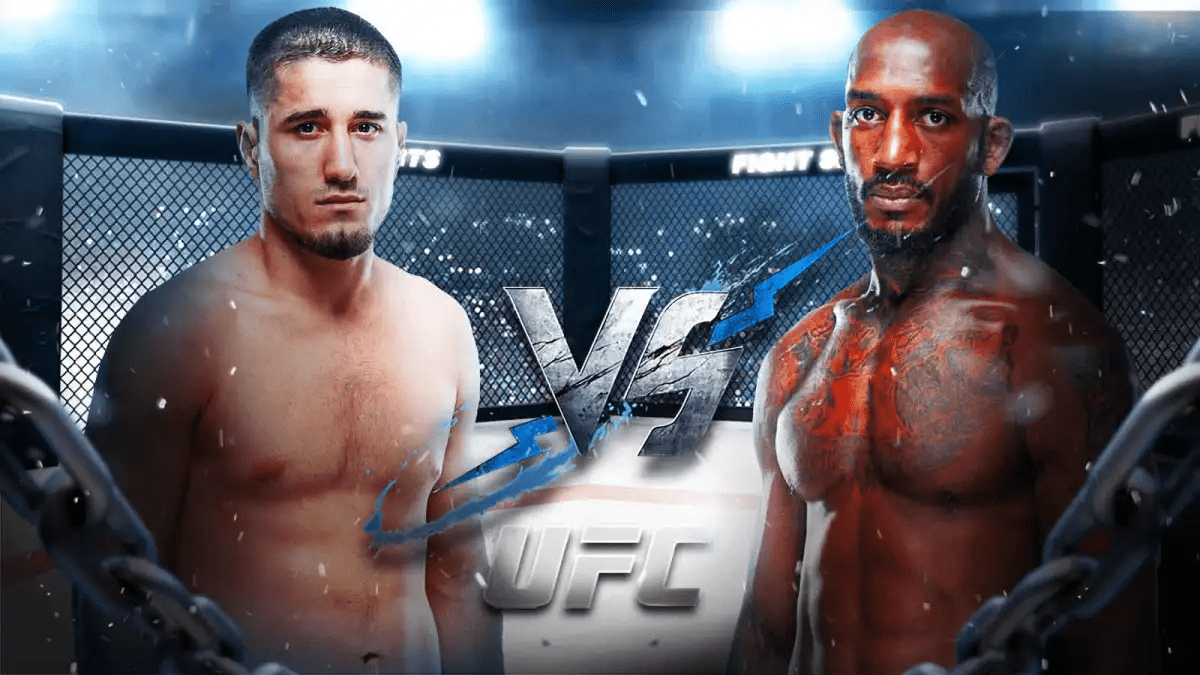
Brandon Royval vs. Manel Kape Advanced Fight Analysis – UFC on ESPN 73: Royval vs. Kape Main Event
UFC on ESPN 73 Main Event: Brandon Royval vs Manel Kape Advanced Fight Analysis Event: UFC on ESPN 73:
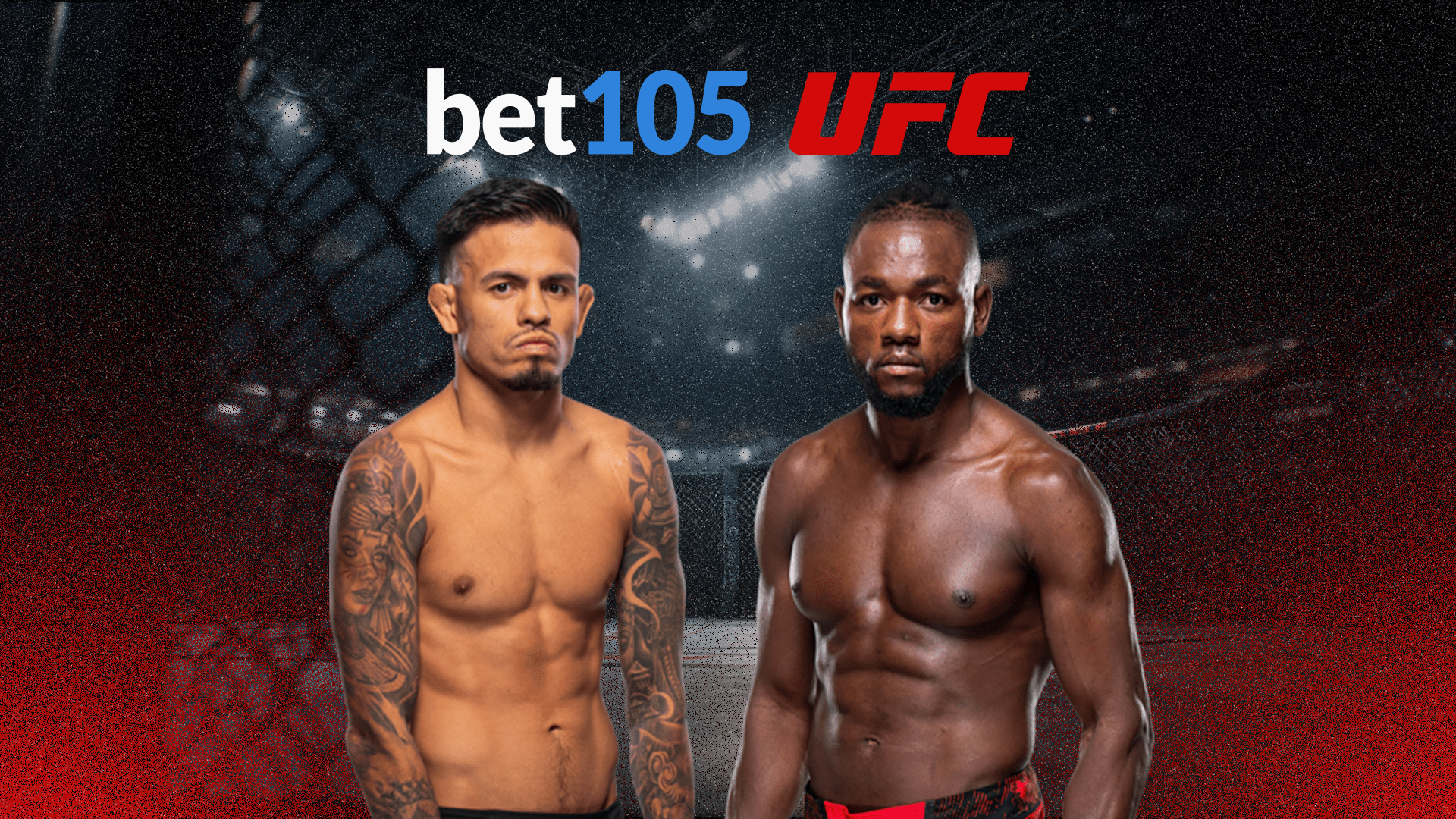
UFC on ESPN 73 Main Event: Brandon Royval vs Manel Kape Advanced Fight Analysis
Event: UFC on ESPN 73: Royval vs Kape
Date: December 13, 2025 at 10:00pm ET (Main Event)
Location: UFC Apex, Las Vegas
Division: Flyweight (125 lbs)
Fighter Comparison
| Fighter | Record | Age | Height | Reach | Stance | KO Wins | Sub Wins | Decision Wins |
|---|---|---|---|---|---|---|---|---|
| Brandon Royval | 17 8 | 32 | 5’9″ | 70″ | Orthodox | 4 | 9 | 4 |
| Manel Kape | 21 7 | 31 | 5’5″ | 68″ | Southpaw | 11 | 5 | 5 |
Note: Both fighters have extensive UFC sample sizes. Trend modeling supplements scoring efficiency and durability projection for deeper accuracy.
Attribute Visuals
Brandon Royval
Chaos Striking & Scrambles     ███████████████░  ⭐⭐⭐⭐⭐ 🔥🔥🔥
Submission Chain Threat        █████████████░░░  ⭐⭐⭐⭐☆
Unpredictability & Pace        ██████████████░░  ⭐⭐⭐⭐⭐
Volume Output                  ███████████░░░░░  ⭐⭐⭐⭐
Defensive Awareness            ███████░░░░░░░░░  ⭐⭐⭐
Takedown Offense               ████████░░░░░░░░  ⭐⭐⭐
Durability                     ██████████░░░░░░  ⭐⭐⭐⭐
Cardio                         ████████████░░░░  ⭐⭐⭐⭐☆
Manel Kape
Explosive Counter Punching     ██████████████░░  ⭐⭐⭐⭐⭐ 🔥🔥
KO Power for Flyweight         █████████████░░░  ⭐⭐⭐⭐⭐
Speed & Timing                 ██████████████░░  ⭐⭐⭐⭐⭐
Takedown Defense               ███████████░░░░░  ⭐⭐⭐⭐
Defensive Footwork             ██████████░░░░░░  ⭐⭐⭐⭐
Submission Offense             ███████░░░░░░░░░  ⭐⭐⭐
Cardio                         ██████████░░░░░░  ⭐⭐⭐⭐
Durability                     ███████████░░░░░  ⭐⭐⭐⭐
Key Stylistic Edges
━━━━━━━━━━━━━━━━━━━━━━━━
Scramble Chaos              → Huge edge Royval 🔥🔥🔥
Explosive Counters          → Heavy edge Kape 🔥
Submission Threat           → Edge Royval
Pocket Power                → Edge Kape
Range & Length              → Edge Royval
Speed & Sharpness           → Edge Kape
Cardio in High Pace Fights  → Slight edge Royval
Damage Moments              → Edge Kape
Momentum Swings             → Edge Royval
Fighter Backgrounds
Brandon Royval
Brandon “Raw Dawg” Royval is one of the most unpredictable fighters in MMA — a chaos engine whose style blends breakneck pace, wild scramble creation, and high frequency submission hunting. He does not merely react to opponents; he forces fights into non-standard rhythms that traditional technicians struggle to process. Royval is a fighter who thrives in entropy. The more chaotic the exchanges become, the more dangerous he becomes.
Royval’s length at flyweight (70 inch reach) creates unusual striking trajectories. He throws long straights, whipping hooks, and offbeat kicks that disrupt conventional footwork. But striking is rarely the end goal — it is the spark. Royval uses strikes to create grappling transitions, to force reactions, and to drag opponents into scramble loops where his creativity shines. Once a scramble begins, Royval is one of the best opportunistic submission fighters in the sport. He hunts guillotines, back takes, triangles and arm attacks with speed few can match.
But Royval’s unpredictability is both a gift and a liability. His willingness to engage in chaos often exposes him defensively. He gets hit more than elite flyweights typically do. He will dive for submissions when strikes might be safer. He will roll for legs or jump guillotines in moments that give opponents positional opportunities. This gives Royval one of the most volatile profiles on the entire UFC roster.
Yet, his cardio and resilience allow it to work. Royval can push a frantic pace for all 25 minutes. He thrives in fights where opponents slow down, mentally break, or lose positional discipline. Against a fighter like Kape — who relies on precise timing and explosive counters — Royval’s mission is simple: do not let the fight become clean. Turn it into something messy.
Bettor Takeaway: Royval wins by drowning Kape in pace and scrambles, forcing errors and turning positional exchanges into submission threats. His path is high volume chaos, not structured striking.
Manel Kape
Manel “Starboy” Kape is one of the most dangerous counter strikers in flyweight history. His explosive power, particularly in tight counters, is unusually high for the division. He blends speed with timing in ways that freeze opponents mid-entry. Kape’s game is built around two pillars: explosive striking and elite reaction time. When opponents overextend or enter recklessly, he punishes them with devastating accuracy.
Kape’s footwork is compact and efficient. He rarely wastes movement. Rather than chase, he baits — drawing opponents into traps where his athleticism becomes a finishing threat. His left hand counter, in particular, is a weapon capable of changing any fight instantly. But Kape is not limited to knockout threats. He carries surprising strength in the clinch, solid takedown defense and well-honed submission instincts when scrambling.
The question surrounding Kape has always been pace. When opponents force high volume exchanges, he becomes less active, waiting for perfect moments rather than building consistent scoring. Fighters who disrupt his timing or force him backward have historically found openings. But if opponents enter his range sloppily, the fight can end in seconds.
This dynamic makes Royval a uniquely dangerous — and potentially vulnerable — matchup. Royval’s chaos creates opportunities, but it also creates massive openings for sharp counters. Kape’s game thrives on punishing fighters who offer him predictable forward momentum or reach entries that leave the chin exposed.
Bettor Takeaway: Kape wins by maintaining technical clarity, sitting down on counters, punishing Royval’s long entries and avoiding scramble chaos. If he keeps the fight clean, his knockout potential becomes the key narrative.
Stat Comparison Table
| Metric | Royval | Kape |
|---|---|---|
| Strikes Landed per Minute | 3.3 | 4.0 |
| Strikes Absorbed per Minute | 3.6 | 3.0 |
| Striking Accuracy | 40 percent | 52 percent 🔥 |
| Takedown Accuracy | 20 percent | 23 percent |
| Takedown Defense | 39 percent | 75 percent 🔥 |
| Submission Rate | 53 percent 🔥🔥 | 24 percent |
| Control Projection | High in scrambles | Moderate |
Finish Type Charts
Brandon Royval
KO/TKO      ██████░░░░░░░░░░ 24 percent
Submission  ████████████░░░ 53 percent 🔥🔥🔥
Decision    █████░░░░░░░░░░ 23 percent
Manel Kape
KO/TKO      ███████████░░░░░ 52 percent 🔥
Submission  ██████░░░░░░░░░  23 percent
Decision    █████░░░░░░░░░░ 25 percent
This is one of the most dangerous main event pairings of the year. Both men possess elite finishing ability in completely different contexts — structured counters versus chaotic scrambles.
Historical Matchup Context
Brandon Royval vs Manel Kape is one of the most compelling stylistic clashes the flyweight division can produce. Historically, matchups between chaotic, scramble heavy fighters and explosive counter strikers create some of the most volatile fights in MMA. One fighter thrives in messiness, one thrives in clarity. One wants unpredictability, the other wants structure. The winner is almost always determined by which fighter succeeds in forcing the matchup into his preferred operating environment.
Royval has repeatedly excelled against fighters who cannot match his pace or scrambling intuition. His ability to turn standard grappling exchanges into wild transitions has overwhelmed many flyweights. But against reactive punchers with real knockout power, Royval has shown vulnerability. His wide entries, leaping attacks and mid-scramble strikes leave his chin exposed. Fighters like Pantoja and Moreno were able to counter or neutralize scrambles by staying composed and technically disciplined.
Kape, however, is not a neutralizer — he is a punisher. He does not simply defend openings; he turns them into fight ending opportunities. Historically, he has fared well against long strikers and aggressive movers. When opponents step into range without tight structure, Kape lands devastating counters. But he has struggled with fighters who deny him rhythm. His losses often come in fights where the tempo becomes awkward, where opponents do not give him predictable reads, and where long exchanges force him into low output patterns.
| Opponent Archetype | Royval Trend | Kape Trend |
|---|---|---|
| Forward Pressure Fighters | Strong | Moderate |
| Explosive Counter Strikers | Weak | Very Strong 🔥 |
| Scramble Grapplers | Very Strong 🔥 | Moderate |
| Control Wrestlers | Moderate | Moderate |
| Technical Kickboxers | Moderate | Strong |
The archetype table perfectly captures the tension: Royval excels against fighters he can overwhelm or confuse. Kape excels against fighters who give him attackable patterns — something Royval does in abundance, even if unintentionally.
Round Finish Trends
Brandon Royval
Round 1 Finishes   ███████░░░░░░░░ 31 percent
Round 2 Finishes   ████████░░░░░░░ 36 percent 🔥
Round 3 Finishes   ████░░░░░░░░░░░ 14 percent
Rounds 4–5         ██░░░░░░░░░░░░░  8 percent
Decisions          ███░░░░░░░░░░░   11 percent
Manel Kape
Round 1 Finishes   █████████░░░░░░ 38 percent 🔥
Round 2 Finishes   ███████░░░░░░░░ 30 percent
Round 3 Finishes   ███░░░░░░░░░░░░ 12 percent
Rounds 4–5         ██░░░░░░░░░░░░░  8 percent
Decisions          ████░░░░░░░░░░░ 12 percent
Both fighters finish at similar rates in similar rounds: early, especially in transitions and exchanges where the first clean connection often decides momentum. For a 5 round fight, the finishing probability remains unusually high.
Momentum and Trajectory
Royval Momentum
Momentum Rating     ★★★★☆
Trajectory          Steady/Resilient
Finishing Potential Very High 🔥
Consistency         Volatile
Primary Liability   Defensive exposure in chaos
Kape Momentum
Momentum Rating     ★★★★☆
Trajectory          Rising
Finishing Potential Extremely High 🔥🔥🔥
Consistency         Strong when leading tempo
Primary Liability   Low output when pace breaks rhythm
Kape has the sharper recent form, but Royval’s performances always depend on matchup context. Against fighters who cannot punish chaos, he looks elite. Against fighters who hit hard and clean, his style becomes a liability.
Advanced Positional Assessment
| Phase | Royval Advantage | Kape Advantage | Analysis |
|---|---|---|---|
| Long Range Striking | Moderate | Moderate | Royval longer; Kape sharper |
| Pocket Exchanges | Low | Very High 🔥🔥 | Kape by timing and counters |
| Scramble Grappling | Huge 🔥🔥🔥 | Low | Royval thrives in chaos |
| Submission Threat | Very High 🔥 | Moderate | Royval dangerous everywhere |
| Takedown Defense | Low | Very High | Kape harder to ground cleanly |
| Clinch Exchanges | Moderate | Moderate | Even; Kape stronger, Royval scramblier |
| Cardio Over 5 Rounds | High | High | Both durable in long fights |
This matchup is one of contrasts: Royval’s chaos vs Kape’s precision. If the fight stays orderly, Kape becomes the favorite. If it devolves into scrambles, Royval’s unpredictability and submission threats take over.
Probability Modeling
| Outcome | Projected Probability |
|---|---|
| Kape wins | 52 percent |
| Royval wins | 48 percent |
| Fight ends inside distance | 69 percent 🔥 |
| Kape by KO/TKO | 34 percent |
| Royval by Submission | 28 percent 🔥 |
| Decision (either side) | 31 percent |
Win Path Breakdown
━━━━━━━━━━━━━━━━━━━━━━━━━
If Kape wins:
• 65 percent by KO/TKO 🔥
• 20 percent by decision
• 15 percent by submission

If Royval wins:
• 55 percent by submission 🔥
• 25 percent by KO/TKO
• 20 percent by decision
Despite the narrow win probability split, the structural matchup leans toward finishing violence rather than technical point-fighting.
Prop Correlation Matrix
| Prop | Correlation Strength | Reason |
|---|---|---|
| Kape KO/TKO | Very High 🔥🔥🔥 | Royval’s entries leave massive counter windows |
| Royval Submission | High 🔥 | Scramble chaos punishes reactive fighters |
| Fight Ends Inside Distance | High | Both punish mistakes violently |
| Royval Decision | Low | Hard to control pace cleanly for 5 rounds |
| Kape Decision | Moderate | Possible if he avoids chaos and controls striking |
Market Heat Map
HIGH VALUE
━━━━━━━━━━━━━━━━━━
Kape KO/TKO 🔥
Royval Submission 🔥
Fight Ends Inside Distance

MODERATE VALUE
━━━━━━━━━━━━━━━━━━
Kape Moneyline
Royval KO sprinkle

LOW VALUE
━━━━━━━━━━━━━━━━━━
Overs
Royval Decision
Final Technical Breakdown
This main event is a study in volatility. Brandon Royval and Manel Kape represent two dramatically different expressions of elite flyweight MMA. Royval is chaos embodied — unpredictable, relentless, and constantly forcing transitional scrambles where timing and technique break down. Kape is precision embodied — explosive, calculated, and punishing in moments where his opponent offers even a fraction of vulnerability. The fight becomes a question of whose operating environment prevails: Royval’s entropy or Kape’s sharpness.
Royval’s path to victory relies on weaponizing pace, discomfort and overwhelming Kape with sequences that cannot be solved by timing alone. Kape thrives when fights follow clean rhythms — entry, reaction, counter. Royval’s best path is to disrupt those rhythms entirely. His long, whipping strikes do not exist for clean scoring; they exist to force reactions. Once reactions begin, Royval initiates scrambles and grappling exchanges where Kape’s athleticism becomes less relevant and his counter windows become narrower.
Where Royval struggles is in the moments where he creates chaos but fails to secure control. In those fractions of transition — the brief second where he steps in without full balance, the moment he overextends on a long strike, the instant after a failed submission attempt — Kape’s countering power becomes a major threat. Kape does not need extended exchanges. He needs one moment. His left hand counter, especially against orthodox fighters who enter in straight lines, is one of the most lethal weapons in the division. Royval frequently enters on the center line with his chin exposed. That is a dangerous pattern in this matchup.
Kape, however, has his own liabilities. He can become low volume when opponents deny him clean openings. If Royval forces messy scrambles, half shots, scrambling clinches, and broken striking exchanges, Kape’s confidence in his timing can dip. When he becomes reactive instead of proactive, his output can stagnate. This allows opponents to steal rounds through activity. In a five round fight, that dynamic becomes critical. Kape must not allow Royval to drag him into a fight where the volume gap becomes overwhelming.
Another critical factor is grappling. Kape’s defensive wrestling is strong, but his grappling in transitions can be outpaced by Royval’s creativity. Royval does not need conventional takedowns. He forces scrambles from kicks, from failed shots, from clinch breaks, from sprawls. He jumps on guillotines, wraps body triangles mid-scramble, and prioritizes positional chaos over secure control. Against most fighters this is reckless. Against Kape, it is both a risk and an opportunity. If he gets the back, he becomes one of the most dangerous finishers at flyweight. But if he whiffs on a submission or transitions off-balance, Kape can punish him instantly.
Cardio becomes a subtle but important factor. Royval can push a hellish pace for five rounds. Kape can go long, but only if the fight stays clean. In drawn-out chaos, Kape breathes heavier and throws less. In clean, sharp exchanges, Royval becomes increasingly vulnerable to counters as he tires. This creates a pacing race: who imposes their domain first, and who maintains it as fatigue sets in?
The final tension lies in damage. Royval wears damage more visibly and more often due to his aggressive style. Kape’s damage tends to be isolated but catastrophic. A single clean left hand from Kape can change the fight. But a sustained barrage of pace, scrambles, and submissions from Royval can break Kape’s rhythm and force him into survival rather than tactical execution.
This is a fight where both men have clear paths — and both paths are violent. Royval needs chaos. Kape needs clarity. Both are capable of creating their preferred environment. But in five round fights, structural discipline often prevails over creative variance, and Kape’s ability to land with devastating accuracy in the in-between moments gives him the slightest edge.
Final Prediction
Royval begins with pace and unpredictability, forcing Kape backward and testing defensive reactions early. But as the round progresses, Kape begins finding answers. His timing sharpens. His counters find the gaps created by Royval’s entries. In round two, amid a scramble initiated by Royval, Kape lands a tight left hand that shifts momentum instantly. Royval recovers but becomes more vulnerable as he continues pushing pace. By round three, Kape’s reads are fully calibrated. A clean counter off Royval’s forward blitz sends him crashing to the canvas, and Kape follows with precise finishing shots.
Prediction: Manel Kape wins by KO/TKO
Method confidence: Moderate/High
Volatility factor: Extremely High
Key swing variable: Whether Royval’s chaos overwhelms Kape’s timing before the counters begin landing clean.
Bettor’s Summary
- Kape edge: Superior counter timing, elite power for flyweight, tighter defensive structure and excellent takedown defense.
- Royval path: Increase chaos, force scrambles, hunt submissions, and drown Kape in pace.
- Market sweet spot: Kape KO/TKO, Fight Ends Inside Distance.
- Contrarian angle: Royval Submission in scramble-heavy sequences.
- Optimal entry point: Kape KO props, Royval SUB as hedge, ITD for anchor exposure.
For the best odds on UFC fights, visit bet105, the top sportsbook with reduced juice, fast crypto payouts and sharp friendly limits.
Read advanced fight analyses for all bouts on the UFC on ESPN 73 card;
Main Card
- Giga Chikadze vs. Kevin Vallejos Advanced Fight Analysis
- Cesar Almeida vs. Cezary Oleksiejczuk Advanced Fight Analysis
- Melquizael Costa vs. Morgan Charrière Advanced Fight Analysis
- Kennedy Nzechukwu vs. Marcus Buchecha Advanced Fight Analysis
Prelims
- Amanda Lemos vs. Gillian Robertson Advanced Fight Analysis
- Neil Magny vs. Yaroslav Amosov Advanced Fight Analysis
- Sean Sharaf vs. Steven Asplund Advanced Fight Analysis
- Melissa Croden vs. Luana Santos Advanced Fight Analysis
- Allen Frye Jr. vs. Guilherme Pat Advanced Fight Analysis
- Jamey-Lyn Horth vs. Tereza Bleda Advanced Fight Analysis
- Bobby “King” Green vs. Lance Gibson Jr. Advanced Fight Analysis
Disclaimer
This analysis uses AI assisted statistical research alongside human analysis and editorial oversight. Despite verification efforts, data errors may occur. Readers should independently verify odds, fighter stats and records before betting. Projections are analytical estimates.