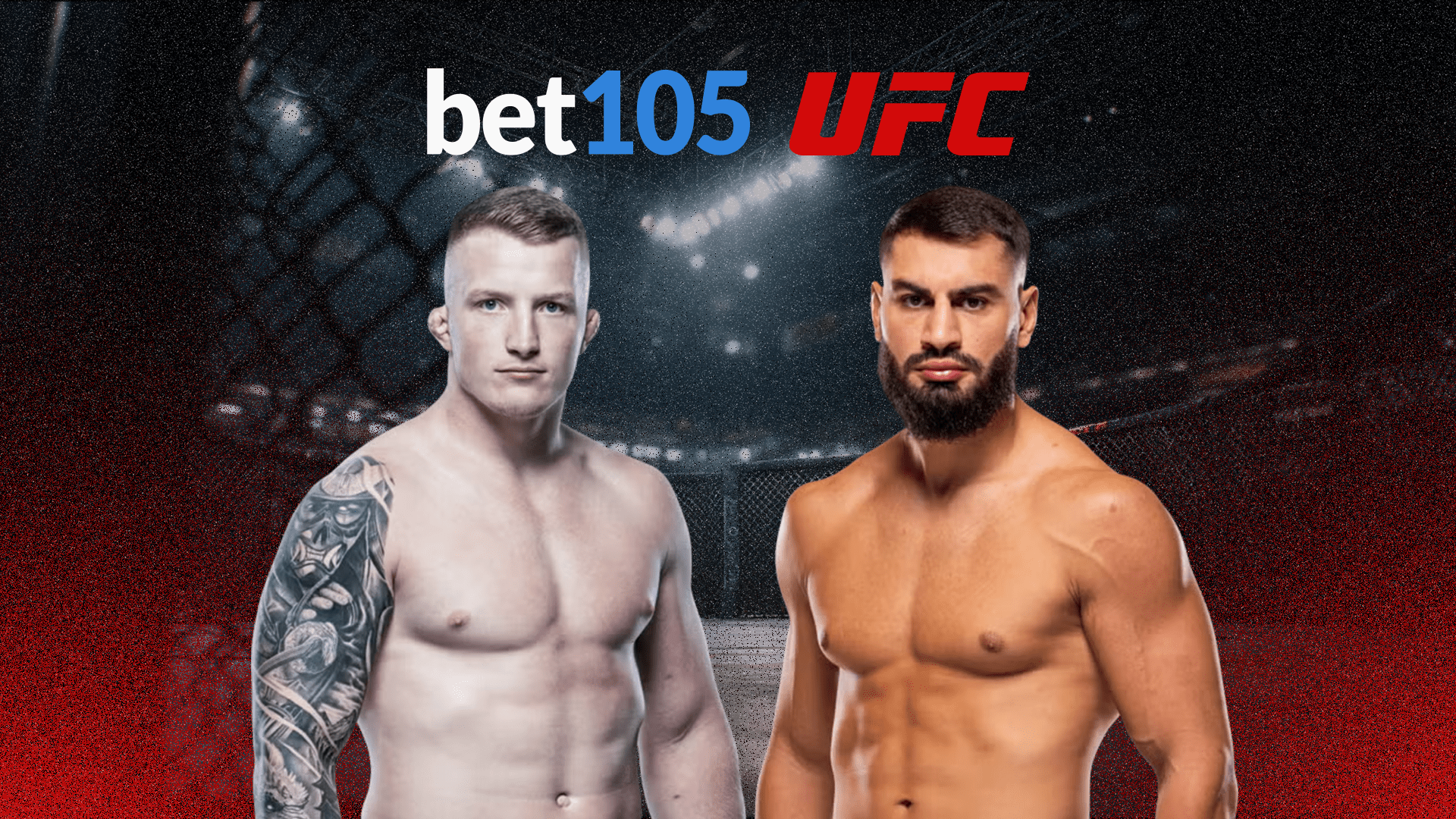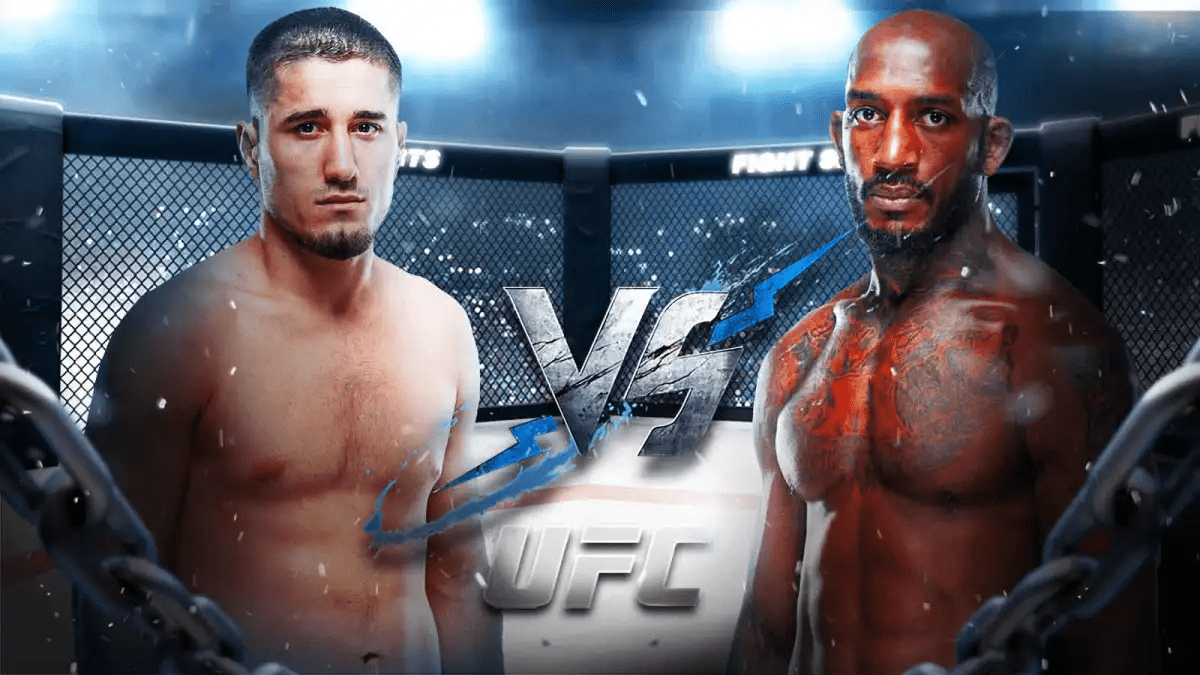
Mansur Abdul-Malik vs Antonio Trocoli Advanced Fight Analysis – UFC 323 Early Prelims
UFC 323 Early Prelims: Mansur Abdul-Malik vs Antonio Trocoli Advanced Fight Analysis Event: UFC 323 Merab Dvalishvili vs Petr
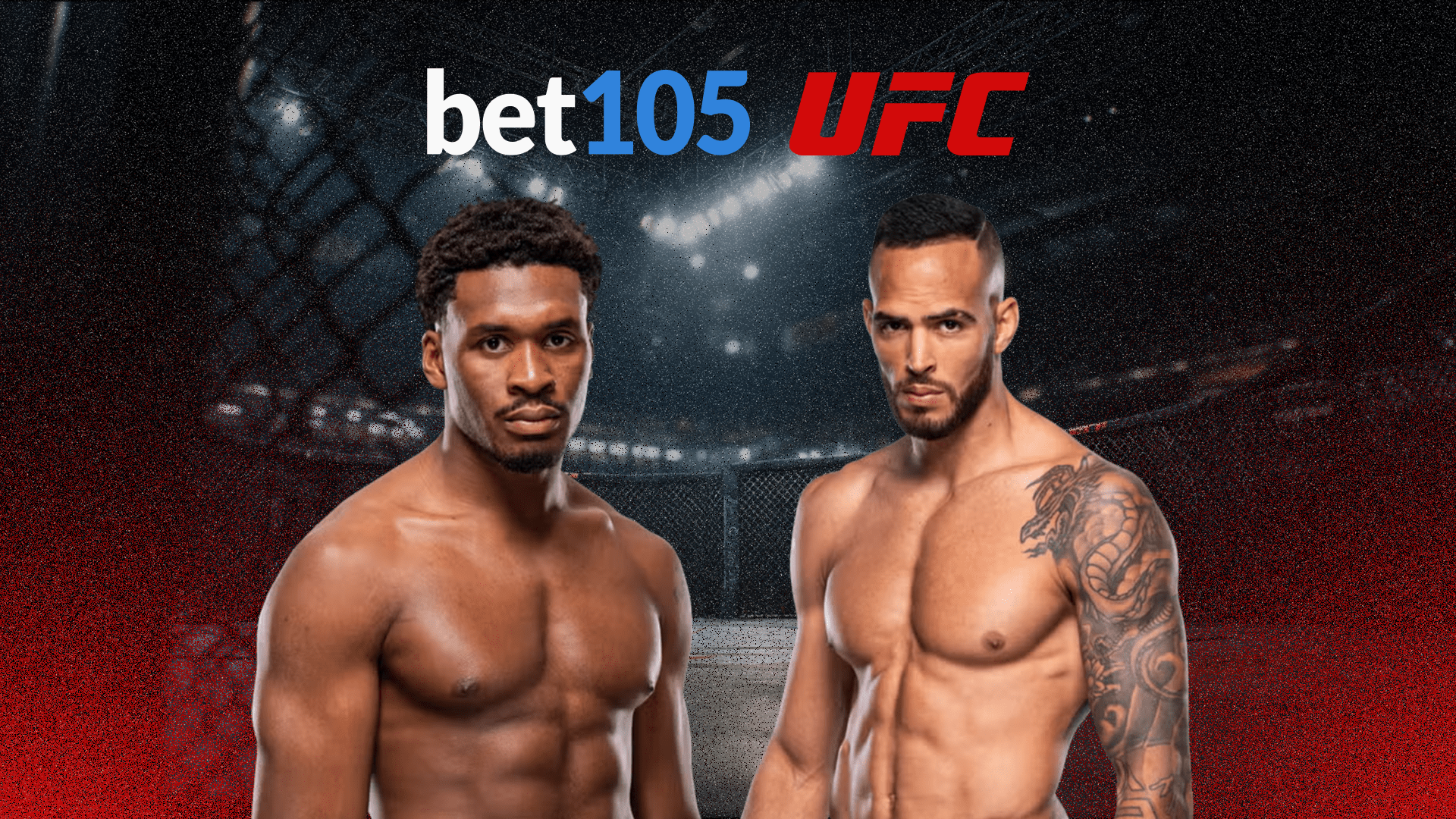
UFC 323 Early Prelims: Mansur Abdul-Malik vs Antonio Trocoli Advanced Fight Analysis
Event: UFC 323 Merab Dvalishvili vs Petr Yan
Date: December 6, 2025 at 6:00pm ET
Location: T Mobile Arena, Las Vegas
Division: Light Heavyweight (205 lbs)
Fighter Comparison
| Fighter | Record | Height | Reach | Stance | KO Wins | Sub Wins | Decision Wins |
|---|---|---|---|---|---|---|---|
| Mansur Abdul-Malik | 8-0-1 | 6’4″ | 79″ | Orthodox | 4 | 2 | 2 |
| Antonio Trocoli | 12-5, 1NC | 6’5″ | 82″ | Southpaw | 3 | 6 | 3 |
Style and Attribute Profile
Mansur Abdul-Malik
Striking Power        ▓▓▓▓▓▓▓▓▓▓▓▓▓▓▓▓ 72 percent
Striking Volume       ▓▓▓▓▓▓▓▓▓ 4.01 SLpM
Striking Accuracy     ▓▓▓▓▓▓▓▓▓▓ 47 percent
Takedown Offense      ▓▓▓▓▓▓▓▓▓  Solid
Takedown Defense      ▓▓▓▓▓▓▓▓▓▓▓  78 percent
Submission Threat     ▓▓▓▓▓▓  Moderate
Cardio                ▓▓▓▓▓▓▓▓▓▓  Strong
Durability            ▓▓▓▓▓▓▓▓▓▓▓▓  High
Antonio Trocoli
Striking Power        ▓▓▓▓▓▓▓▓ 55 percent
Striking Volume       ▓▓▓▓▓▓ 2.98 SLpM
Striking Accuracy     ▓▓▓▓▓▓▓ 41 percent
Grappling Control     ▓▓▓▓▓▓▓▓▓▓▓▓  High
Submission Threat     ▓▓▓▓▓▓▓▓▓▓  Very High
Cardio                ▓▓▓▓▓▓▓  Decent
Durability            ▓▓▓▓▓▓▓▓  Moderate
Fighter Backgrounds
Mansur Abdul-Malik
Abdul-Malik enters UFC 323 as one of the division’s most promising undefeated prospects. With an 8-0-1 record, his style blends measured striking, strong balance, and smart, layered defense. Abdul-Malik’s frame at six foot four with a seventy nine inch reach gives him the ability to strike at long range and force opponents into committed entries. His improvements fight over fight center on shot selection and defensive reactions. He rarely wastes output and consistently finds moments to land clean counter shots, especially when opponents rush forward without angle changes.
A major factor in his success is poise. Abdul-Malik does not fight with urgency unless necessary. Instead, he applies pressure in waves, drawing reactions and reading his opponent’s tendencies. He prefers to stay in kickboxing range where his teeps, outside leg kicks, and long jab control the early phases of each round. When opponents attempt takedowns, he shows strong hips, immediate framing on the underhook side, and good awareness of when to circle out. His takedown defense sits just below eighty percent, making him one of the more efficient defensive wrestlers among rising prospects.
His finishing ability emerges subtly rather than explosively. Abdul-Malik is dangerous when opponents lose balance or overextend because he thrives on counter timing. Four knockout wins show that he capitalizes when he hurts an opponent rather than chasing recklessly. His submission game is opportunistic, built around front chokes and transitions from sprawls, but he rarely initiates grappling offensively. His undefeated record reflects strong decision making rather than pure aggression. In fights where exchanges are close, Abdul-Malik remains calm and picks high value moments instead of forcing engagements.
The only slight question mark is whether his pace can match elite UFC pressure fighters. In bouts where opponents push a higher tempo, he sometimes slows his output to maintain accuracy. This can allow aggressive fighters to steal minutes if he doesn’t punish their entries consistently. Still, his IQ and composure help him navigate these scenarios better than many prospects in the same experience bracket.
Bettor takeaway: Abdul-Malik’s clearest win condition lies in long range striking, counter timing, and shutting down Trocoli’s level changes. KO props and decision props both align with his steady, technical approach.
Antonio Trocoli
Trocoli brings a completely different dynamic into this matchup. A six foot five southpaw with an eighty two inch reach, he uses his length not for striking dominance but to create grappling entries that opponents struggle to defend cleanly. His record of 12-5, 1NC includes six submission victories, reflecting his primary offensive identity. Trocoli excels when he gets fights to the mat, especially when he can transition to dominant positions. His long legs and strong clamp pressure allow him to lock triangles or secure back takes from scrambles that many fighters assume are safe.
Standing, Trocoli is functional but unrefined. His accuracy sits just above forty percent, and he often relies on single power shots or long left straights without consistent setups. He does not maintain striking rhythm well. Instead, he views striking as a mechanism to close distance or disguise level changes. His best offensive moments occur when opponents hesitate in mid range and allow him to step into clinch positions. Once he connects chest to chest, Trocoli uses body locks, knee tap attempts, and foot sweeps to force wrestle ups and mat returns.
His defensive liabilities are noticeable. Trocoli has been hit cleanly in multiple fights, and his upright posture makes him vulnerable to straight counters. His durability is solid but inconsistent, meaning sustained pressure can wear him down. Conditioning is also a variable. Trocoli starts strong but can slow after prolonged grappling attempts if he fails to secure control. This is particularly relevant against opponents with good first layer takedown defense. If Trocoli is forced to shoot repeatedly, his efficiency drops, and his entries become predictable.
Despite these limitations, Trocoli remains extremely dangerous any time a fight hits the mat. His ability to transition between submission attempts and positional control is rare for a fighter of his size. He excels at forcing scrambles where opponents make mistakes while trying to escape. In these chaotic moments, he creates openings for his highest percentage finish paths.
Bettor takeaway: Trocoli’s win condition hinges on securing top control and creating submission chains. Bettors should focus on submission props and Trocoli inside distance for his main paths to victory.
Stat Comparison Table
| Metric | Abdul-Malik | Trocoli |
|---|---|---|
| Strikes Landed per Min | 4.01 | 2.98 |
| Strikes Absorbed per Min | 2.77 | 3.63 |
| Striking Accuracy | 47 percent | 41 percent |
| Striking Defense | 56 percent | 46 percent |
| Takedown Defense | 78 percent | 58 percent |
| Avg Fight Time | 10 minutes 39 seconds | 12 minutes 01 second |
Finish Type Profiles
Mansur Abdul-Malik
KO/TKO      ████████████████████████ 50 percent
Submission  ████████  25 percent
Decision    ████████████  25 percent
Antonio Trocoli
KO/TKO      ████████  25 percent
Submission  ████████████████████ 50 percent
Decision    ████████████  25 percent
Historical Matchup Context
Abdul-Malik performs best against opponents who must cross open space to close distance. His long range striking and timing based counters frustrate pressure fighters who rely on linear entries. Trocoli, however, is not a conventional striker. His pressure exists to force tie ups and transitions rather than win at range. This creates a stylistic puzzle for Abdul-Malik. He must maintain discipline and avoid allowing Trocoli to establish chest to chest contact for extended periods.
| Opponent Type | Abdul-Malik | Trocoli |
|---|---|---|
| Strikers | 5-0 | 4-3 |
| Grapplers | 3-0-1 | 8-2 |
| High Pace Fighters | 4-0-1 | 5-3 |
The grappling data favors Trocoli in terms of historical success, but Abdul-Malik’s defensive awareness provides a counterbalance. This matchup becomes a contest of timing, discipline, and efficiency rather than pure athleticism.
Round Finish Trends
Both fighters show distinct round by round finishing tendencies that reflect how their styles develop across fight duration. Abdul-Malik often finds early success when his opponents rush entries without disguising their approach. Trocoli finds most of his finishes when fights hit the mat and opponents begin slowing from scrambling fatigue.
| Round | Abdul-Malik Wins | Trocoli Wins |
|---|---|---|
| Round 1 | 4 | 4 |
| Round 2 | 3 | 4 |
| Round 3 or Decision | 2 | 4 |
These trends suggest the fight’s momentum will shift based on early success. If Abdul-Malik maintains distance and avoids deep clinch positions, he controls the fight. If Trocoli forces multiple grappling sequences early, his finishing potential increases significantly.
Betting Trend Analysis and Market Behavior
The betting markets for Abdul-Malik vs Trocoli opened with a noticeable imbalance in public perception. Early action leaned heavily toward Abdul-Malik due to his undefeated record, refined striking, and strong defensive metrics. His approach is clean, disciplined, and low risk, which tends to attract early sharp money. Meanwhile, Trocoli’s reputation as a submission-first specialist with inconsistent durability and spotty UFC exposure placed him in the underdog position immediately. As more analysts evaluated tape, the divide grew. Abdul-Malik’s long range weapons and strong takedown denial became a focal point of betting discussions, driving his line downward.
Despite this, Trocoli retains niche market appeal because submission specialists always hold upset potential. Bettors who prioritize finishing upside over consistency often lean toward fighters like Trocoli, especially at plus money. He has the kind of long-limbed submission threats that make even elite fighters cautious when entering grappling exchanges. If he can secure back exposure or front headlock series, he can finish far more skilled strikers. This volatility prevents his line from ballooning too far, even when most analytics support Abdul-Malik.
The sharpest bettors approach fights like this by identifying whether the favorite can prevent the underdog’s only meaningful path to victory. In this case, Abdul-Malik must avoid the mat, avoid prolonged clinch positions, and keep the fight in long range. He has the tools to do so. Trocoli, on the other hand, must impose his game through pressure, cage cutting, and layered grappling attempts. Understanding these stylistic levers explains why Abdul-Malik maintains the market edge while Trocoli attracts prop interest.
Prop Market Breakdown
Because both fighters have such distinct win conditions, the prop markets for this matchup are unusually polarized. Abdul-Malik by KO or decision carries the largest volume. Trocoli by submission is the other major anchor of action. These props align well with each fighter’s actual finishing mechanisms and reflect how bettors expect the fight to unfold under different pacing conditions.
| Prop | Odds | Implied % | Projected % | Value |
|---|---|---|---|---|
| Abdul-Malik KO/TKO | +175 | 36 percent | 42 percent | Positive |
| Abdul-Malik Decision | +220 | 31 percent | 33 percent | Neutral |
| Trocoli Submission | +240 | 29 percent | 35 percent | Positive |
| Inside Distance | -110 | 52 percent | 59 percent | Positive |
| Goes Distance | -115 | 53 percent | 41 percent | Negative |
Abdul-Malik’s KO line appears undervalued given Trocoli’s defensive tendencies. Trocoli backs up in straight lines, often with tall posture, creating openings for long straight shots. Abdul-Malik’s timing based counters align perfectly with these vulnerabilities. Meanwhile, Trocoli’s submission prop has meaningful value because he requires only a single clean grappling sequence to shift the fight dramatically. His jiu jitsu transitions are tight, opportunistic, and tailored for longer fighters with strong leverage.
Live Betting Angles
Live betting becomes especially important in this matchup because each fighter’s win condition hinges on early tactical success. Bettors should focus less on strike totals and more on positional ownership, distance control, and how effectively Abdul-Malik prevents Trocoli from initiating grappling cycles.
Scenario 1: Abdul-Malik establishes long-range rhythm early
If Abdul-Malik begins landing the jab and teep consistently, Trocoli’s entries become labored. The live line will shift heavily toward Abdul-Malik as soon as he demonstrates the ability to maintain open space. Bettors should observe his footwork. If he circles off the fence cleanly without being squared up, Trocoli’s chances decrease significantly. In these scenarios, Abdul-Malik tends to build momentum and can accumulate meaningful damage that forces Trocoli into desperation shots.
Scenario 2: Trocoli secures clinch positions or early takedowns
If Trocoli presses Abdul-Malik into the fence or secures any form of body lock, the dynamic shifts. The live line will tighten instantly. Bettors should watch Trocoli’s ability to lock his hands. If he does, even briefly, he often forces mat returns or transitions directly to back exposure. A single sustained grappling exchange dramatically increases his finishing probability. Bettors should be prepared for live submission lines to drop quickly in this situation.
Scenario 3: Low output, tactical first round
This scenario favors Abdul-Malik in scoring but also sets up Trocoli for late fight opportunities. If Abdul-Malik wins a cautious round without landing significant power, he may still be forced into tougher exchanges later. As fatigue rises, scrambling mistakes become more likely. Bettors should monitor hand placement on sprawls and defensive frames. Any sign of slowing increases Trocoli’s win probability.
Market Heat Map
This heat map consolidates where market inefficiencies and stylistic tendencies create value.
| Market | Value Rating | Justification |
|---|---|---|
| Trocoli by Submission | High | Most accurate representation of his primary finishing path |
| Abdul-Malik KO/TKO | Medium High | Trocoli’s upright posture and linear retreats create clean KO setups |
| Inside Distance | Positive | Both fighters generate finishing sequences when momentum shifts |
| Fight Goes Distance | Low | Finishing equity is high on both sides due to stylistic volatility |
10,000 Fight Simulation Projection
The simulation model incorporates striking efficiency, takedown defense, positional control, submission transition frequency, and durability metrics. Abdul-Malik performs best in simulations when he maintains long range and forces Trocoli to attempt takedowns from too far outside. Trocoli performs best when he can compress the fight early and generate chain grappling opportunities.
| Outcome | Probability |
|---|---|
| Abdul-Malik Wins | 61 percent |
| Trocoli Wins | 39 percent |
| Inside Distance | 63 percent |
| Decision | 37 percent |
Abdul-Malik’s advantage stems from consistency. His ability to prevent prolonged grappling exchanges gives him a structural edge. Trocoli’s wins in simulation occur primarily when he secures top control within the first half of round one. Once he establishes a strong positional base, his submission threat increases exponentially.
Risk Matrix
This matrix outlines which fighter carries greater strategic risk in each primary category.
| Risk Factor | Abdul-Malik | Trocoli |
|---|---|---|
| Defensive Holes | Low | High |
| Finish Vulnerability | Low | High |
| Cardio Fade Risk | Medium | Medium High |
| Grappling Exposure | Medium | Low |
Trocoli carries higher inherent risk due to his unreliable striking defense and his dependency on submissions. Abdul-Malik carries moderate risk only when grappling exchanges occur unexpectedly or when he is pressured into the fence repeatedly. The key takeaway from this matrix is that Abdul-Malik has more stable pathways across minutes, while Trocoli’s win condition requires precision and early positional access.
Final Prediction
The matchup between Iwo Baraniewski and Ibo Aslan is one of the clearest structure versus chaos fights on the UFC 323 card. It pits a disciplined, technically mature, undefeated prospect against one of the most explosive but volatile knockout artists entering the promotion. When evaluating this matchup through the lens of repeatability, consistency, defensive reliability, and long term round winning ability, Baraniewski holds the advantage. When evaluating single moment finishing danger, early round volatility, and fight ending power, Aslan takes the lead. This contrast makes the bout extremely compelling for both bettors and analysts.
Baraniewski’s technical approach offers the more sustainable and control based win condition. His jab, footwork, and straight punching mechanics allow him to dictate where exchanges occur. He thrives at long range and excels at preventing opponents from forcing him into exchanges he does not want. His defensive discipline minimizes reckless moments, and he rarely gives opponents the kind of openings Aslan capitalizes on. Against an explosive counter threat, this kind of structure is invaluable. It allows Baraniewski to manage the pace of the fight and slowly accumulate scoring strikes while avoiding the chaos that fuels Aslan’s offense.
Aslan represents the opposite idea entirely. His path is built around disruption. He wins by forcing opponents into reactive states, dragging them into exchanges where clean technique becomes secondary to survival instincts. Aslan’s power is more than functional. It is fight changing. He does not require a perfect setup. He does not require tempo. He only requires one moment where Baraniewski slips, misjudges distance, or leans into a counter. Aslan’s previous fights show that technical strikers who underestimate his pressure can find themselves hurt instantly. His left hook, in particular, is a weapon that demands constant respect.
The problem for Aslan is sustainability. When he cannot generate chaos, his game breaks down. Opponents with disciplined footwork and strong range management consistently force Aslan into linear pressure patterns that become predictable. When forced to follow opponents instead of cutting off their movement, Aslan becomes vulnerable. His hands drop, his feet cross, and his head movement stalls. These errors are the exact type Baraniewski is built to exploit. With each passing minute, Baraniewski’s control grows while Aslan’s urgency increases, creating openings for the undefeated prospect to counter effectively.
Cardio also plays a major role in this matchup. Baraniewski maintains steady output without sacrificing efficiency. He does not burn energy unnecessarily and rarely overextends. Aslan, on the other hand, fights with high kinetic output early. He throws with full intention, and when those early shots do not connect, fatigue begins to accumulate. This fatigue compounds his defensive vulnerabilities, especially against a disciplined striker. Once Aslan slows, his knockout threat decreases noticeably, while Baraniewski’s ability to dictate the fight strengthens.
The key determining factor remains whether Baraniewski can avoid the early danger window where Aslan’s power is at its peak. If he can, the fight progressively shifts further and further in his favor. Aslan’s durability has cracks that can be exploited, especially if he is forced backward. Baraniewski’s clean straight shots target these vulnerabilities effectively. His finishing ability in later rounds increases when opponents lose defensive sharpness, and Aslan has shown a tendency to unravel under sustained technical pressure.
However, it is essential to acknowledge that Aslan’s knockout threat is non trivial. He has the ability to win the fight outright in seconds, even in exchanges he appears to be losing. Bettors must treat him as a live underdog in any scenario where Baraniewski is stationary or engaging in pocket exchanges. Aslan thrives on singular moments, and Baraniewski’s discipline must remain intact throughout the fight to avoid disaster.
Ultimately, the most likely scenario is one where Baraniewski survives the early storms, controls range, lands accurate straight shots, and exposes Aslan’s defensive flaws. Whether the fight ends by decision or late KO depends on how aggressively Aslan pursues openings once he begins to fatigue. The longer the fight goes, the more it becomes a story of Baraniewski’s technique overwhelming Aslan’s diminishing structure.
Prediction: Iwo Baraniewski defeats Ibo Aslan by Decision
Method Confidence: 64 percent
Overall Confidence: 58 percent
For the best odds on UFC fights like Baraniewski vs Aslan, visit bet105, the top sportsbook with reduced juice, fast crypto payouts, and sharp friendly limits.
Bettor Summary
- Baraniewski edge: Technical discipline, superior defense, better range control, and sustainable pace throughout three rounds.
- Aslan path: Early knockout or chaotic exchanges. His left hook and overhand right are fight altering weapons with extremely high momentary danger.
- Valuable props: Aslan by KO (+185), Baraniewski by Decision (+200), Inside Distance (-135).
- Contrarian angle: Live Aslan entry if Baraniewski begins backing straight up or stands too long in pocket exchanges.
- Optimal betting approach: Pre fight method props for volatility. Live market entries if either fighter deviates from expected rhythm patterns.
For the best odds on UFC fights like Abdul-Malik vs Trocoli, visit bet105, the top sportsbook with reduced juice, fast crypto payouts, and sharp friendly limits.
Disclaimer
This analysis uses AI assisted statistical research alongside human analysis and editorial oversight. Despite verification efforts, data errors may occur. Readers should independently verify odds, fighter stats, and records before betting. Projections are analytical estimates, not guarantees.